English
 Arabic
 Chinese (Simplified)
 Dutch
Dutch French
 German
 Italian
 Portuguese
 Russian
 Spanish
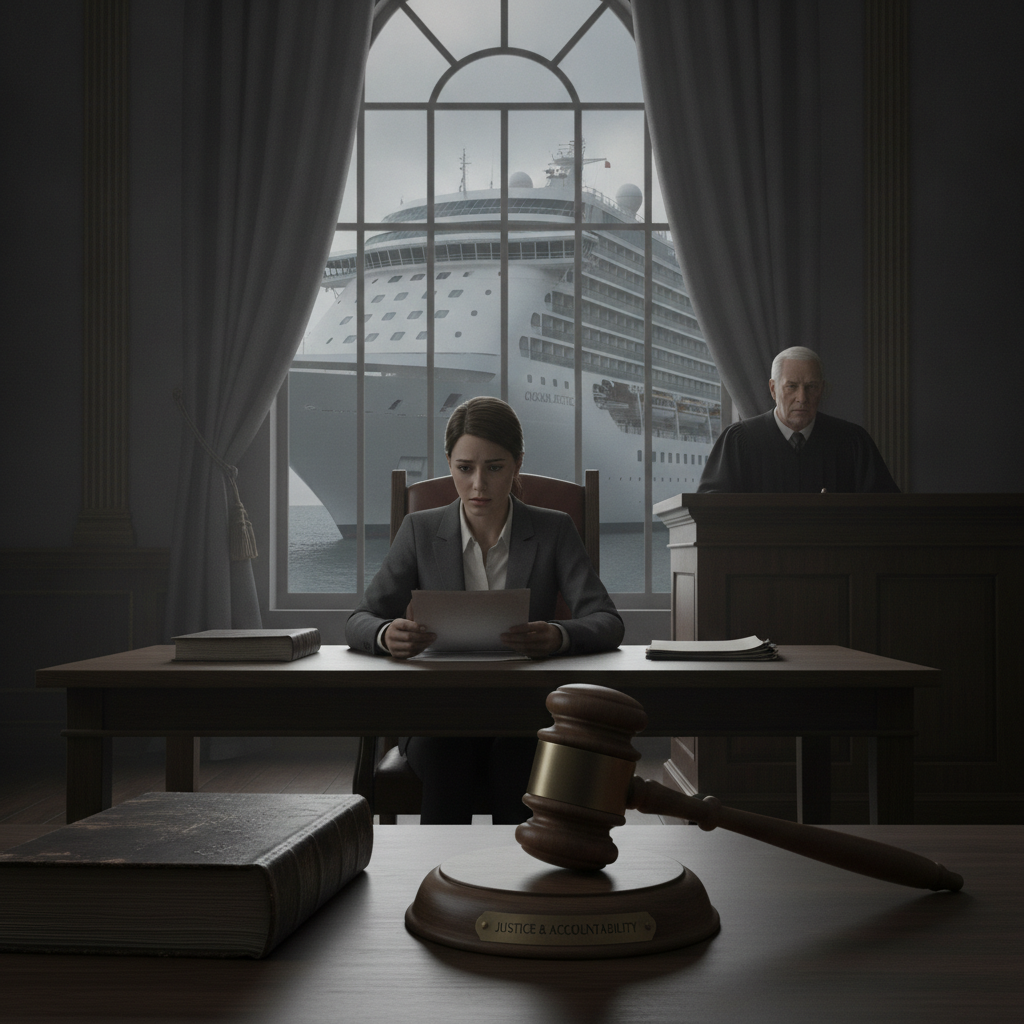
Cruise vacations are meant to be relaxing escapes, filled with adventure and new experiences. However, when an injury occurs during a shore excursion, the aftermath can be confusing and overwhelming. Many travelers are surprised to learn that the cruise line may not always be the party responsible for injuries sustained off the ship. Instead, third-party shore excursion operators often play a significant role. If you or a loved one has suffered an injury during a cruise excursion, understanding your rights and the legal landscape is crucial. Working with a Cruise Ship Negligence Lawyer can help you navigate the complexities of these cases, especially when multiple parties are involved. In this article, we’ll break down what it means to sue a third-party excursion operator, the unique challenges these cases present, and how to protect your interests every step of the way.
Understanding Third-Party Liability in Cruise Injuries
When you book a shore excursion through your cruise line, it may seem like the cruise company is responsible for your safety throughout the entire journey. However, the reality is more complex. Most cruise lines partner with independent companies to provide excursions, such as snorkeling, zip-lining, or guided tours. These third-party operators are often separate legal entities, and their relationship with the cruise line is typically defined by contracts that may limit the cruise line’s liability for incidents that occur off the ship.
This arrangement means that if you are injured during a shore excursion, you may need to pursue a claim against the excursion operator rather than the cruise line itself. Proving negligence on the part of a third-party can be challenging, as it involves investigating the operator’s safety protocols, training, equipment, and adherence to local laws. A law firm like Goss Law Firm can help you understand who may be liable and how to build a strong case.
It’s also important to note that some excursion operators are located in foreign countries, which can complicate matters further. Different legal standards, language barriers, and unfamiliar court systems may all come into play. That’s why having a legal advocate familiar with cruise ship negligence cases is essential for protecting your rights.
How Cruise Lines Distance Themselves from Excursion Liability
Cruise lines are experts at limiting their liability, especially when it comes to activities that occur off the vessel. Most cruise tickets and booking confirmations include disclaimers stating that shore excursions are operated by independent contractors, not by the cruise company itself. These disclaimers are designed to shield the cruise line from lawsuits if a passenger is injured during an excursion.
In practice, this means that even if you booked the excursion directly through the cruise line, the company may argue that it is not responsible for the actions or negligence of the third-party operator. This can be frustrating for injured passengers, especially when all arrangements were made through the cruise’s official channels. To hold a cruise line accountable, you would typically need to prove that the company was negligent in selecting, supervising, or warning about the excursion operator. Otherwise, your primary legal claim may be against the operator itself.
Navigating these legal distinctions requires the expertise of a personal injury lawyer in Miami FL who understands both maritime law and the intricacies of cruise contracts. They can help you determine whether the cruise line, the excursion operator, or both may be liable for your injuries.
The Legal Process for Suing Shore Excursion Operators
Filing a lawsuit against a third-party shore excursion operator involves several unique challenges. First, you must establish that the operator owed you a duty of care and that they breached this duty, directly causing your injury. This often requires gathering evidence such as witness statements, photographs, medical records, and expert testimony regarding safety standards.
Jurisdiction is another major hurdle. Many excursion operators are based outside the United States, meaning your case could be subject to foreign laws and court systems. You may also face language barriers, unfamiliar legal procedures, and difficulties serving legal documents. In some cases, your cruise ticket contract may specify where lawsuits must be filed, which could further complicate the process.
A Cruise line negligence lawyer Miami FL can help you understand your options and develop a strategy for pursuing compensation. They can also advise you on the best jurisdiction for your case and help coordinate with local counsel if necessary.
Because of these complexities, it’s crucial to act quickly after an injury. Evidence can disappear, memories can fade, and legal deadlines may be shorter than you expect. Consulting with a lawyer as soon as possible can make a significant difference in the outcome of your case.
Common Types of Negligence by Excursion Operators
Shore excursion operators are responsible for providing safe and enjoyable experiences, but negligence can occur in many forms. Some of the most common types of negligence include:
- Inadequate safety equipment or failure to provide proper instructions
- Poorly maintained vehicles, boats, or gear
- Untrained or inexperienced guides and staff
- Failure to warn participants about known hazards or risks
- Ignoring weather conditions or environmental dangers
Each of these scenarios can lead to serious injuries, from broken bones to head trauma or even drowning. Proving negligence requires a thorough investigation into the operator’s practices and a clear connection between their actions (or inactions) and your injury. For more details on how time limits can affect your ability to file a claim, see How Florida’s Statute of Limitations Affects Your Miami Slip and Fall Lawsuit.
It’s not uncommon for operators to blame the victim or claim that the risks were “inherent” to the activity. That’s why documenting your experience and seeking legal advice promptly is so important.
Gathering Evidence After a Shore Excursion Injury
If you are injured during a shore excursion, the steps you take immediately afterward can have a significant impact on your ability to recover compensation. Gathering evidence is critical, as it helps establish the facts of your case and supports your claim of negligence.
- Take photos or videos of the accident scene, equipment, and any visible hazards.
- Obtain contact information for witnesses, including fellow passengers and staff.
- Request a copy of any incident report filed by the excursion operator or cruise line.
- Seek immediate medical attention and keep detailed records of your treatment.
- Preserve any correspondence with the cruise line or excursion company regarding your injury.
For more information on proving liability in similar cases, review Slip and Fall Accidents in Miami: How to Prove a Property Owner Knew About the Hazard. The more evidence you can collect, the stronger your case will be. Don’t rely on the cruise line or excursion operator to document everything for you, take initiative to protect your interests.
Jurisdictional Challenges in International Excursion Claims
One of the most daunting aspects of suing a shore excursion operator is determining where your lawsuit should be filed. Because many excursions take place in foreign countries, and operators are often based outside the United States, jurisdictional issues can quickly become complicated.
Your cruise ticket contract may specify a particular location for filing lawsuits, such as federal court in the region or another designated venue. However, if your claim is primarily against a third-party operator, you may need to file in the country where the injury occurred or where the operator is headquartered. This can introduce challenges such as unfamiliar legal systems, different standards of negligence, and potential language barriers.
Working with a legal team experienced in international personal injury claims is vital. They can help you understand your options, coordinate with local attorneys, and ensure that your case is filed in the most advantageous jurisdiction. Don’t let the complexity of international law deter you from seeking justice.
The Role of Waivers and Disclaimers in Excursion Injuries
Before participating in a shore excursion, you’ll likely be asked to sign a waiver or release of liability. These documents are designed to protect the operator from lawsuits by having you acknowledge the risks involved in the activity. However, waivers are not always ironclad. Courts may refuse to enforce them if they are overly broad, ambiguous, or if the operator’s conduct was grossly negligent or reckless.
It’s important to read these documents carefully and understand what rights you may be giving up. Even if you signed a waiver, you may still have a valid claim if the operator failed to provide a reasonable standard of care or if they concealed known dangers. Legal professionals can review the language of the waiver and advise you on its enforceability in your specific situation.
Don’t assume that signing a waiver means you have no recourse. Each case is unique, and the law often provides exceptions for egregious conduct or hidden hazards.
Damages Available in Shore Excursion Negligence Cases
If you are successful in proving negligence against a shore excursion operator, you may be entitled to various types of damages. These can include compensation for:
- Medical expenses (past and future)
- Lost wages or loss of earning capacity
- Pain and suffering
- Emotional distress
- Loss of enjoyment of life
The amount and type of damages available will depend on the specifics of your case, including the severity of your injuries and the impact on your daily life. In rare cases, punitive damages may be awarded if the operator’s conduct was especially reckless or intentional. Documenting all expenses and losses related to your injury is essential for maximizing your recovery.
How to Choose the Right Legal Representation
Selecting a lawyer for a shore excursion injury case requires careful consideration. Not all personal injury attorneys have experience with maritime law or international claims. Look for a legal team that:
- Has a proven track record with cruise ship and excursion injury cases
- Understands the nuances of jurisdiction and international law
- Can coordinate with foreign counsel if necessary
- Communicates clearly and keeps you informed at every stage
Ask about the lawyer’s experience with similar cases, their approach to complex liability issues, and how they handle cross-border litigation. The right legal representation can make all the difference in securing fair compensation for your injuries.
Table: Key Differences Between Cruise Line and Excursion Operator Liability
| Aspect | Cruise Line | Shore Excursion Operator |
|---|---|---|
| Legal Relationship | Contract with passenger, often limits liability for excursions | Independent contractor, direct provider of excursion services |
| Jurisdiction | Often U.S. federal court or specified venue | May require filing in foreign country or operator’s location |
| Liability | Limited for third-party excursions unless negligent in selection/supervision | Directly liable if negligent in providing safe excursion |
| Evidence Needed | Proof of cruise line’s direct negligence or failure to warn | Proof of operator’s negligence in activity or equipment |
What to Expect During the Legal Process
Pursuing a claim against a shore excursion operator can be a lengthy and complex process. After gathering evidence and consulting with your attorney, a formal claim or lawsuit will be filed. The operator may attempt to settle out of court, or the case may proceed to litigation if a fair settlement cannot be reached.
Throughout the process, you may be required to provide testimony, participate in depositions, and respond to requests for documents. Your attorney will handle negotiations, coordinate with local counsel if necessary, and advocate for your best interests at every stage. While the process can be stressful, having a knowledgeable legal team by your side can help alleviate much of the burden and increase your chances of a successful outcome.
Final Thoughts
Injuries during cruise shore excursions can turn a dream vacation into a difficult ordeal. Understanding the differences between cruise line and third-party operator liability is essential for protecting your rights and pursuing fair compensation. By acting quickly, gathering evidence, and seeking the guidance of a skilled Cruise Ship Negligence Lawyer, you can navigate the legal complexities and hold negligent parties accountable. Whether your injury occurred locally or abroad, don’t let the challenges of international law or confusing contracts prevent you from seeking justice. With the right support, you can focus on recovery and move forward with confidence.

bicouser