English
 Arabic
 Chinese (Simplified)
 Dutch
Dutch French
 German
 Italian
 Portuguese
 Russian
 Spanish
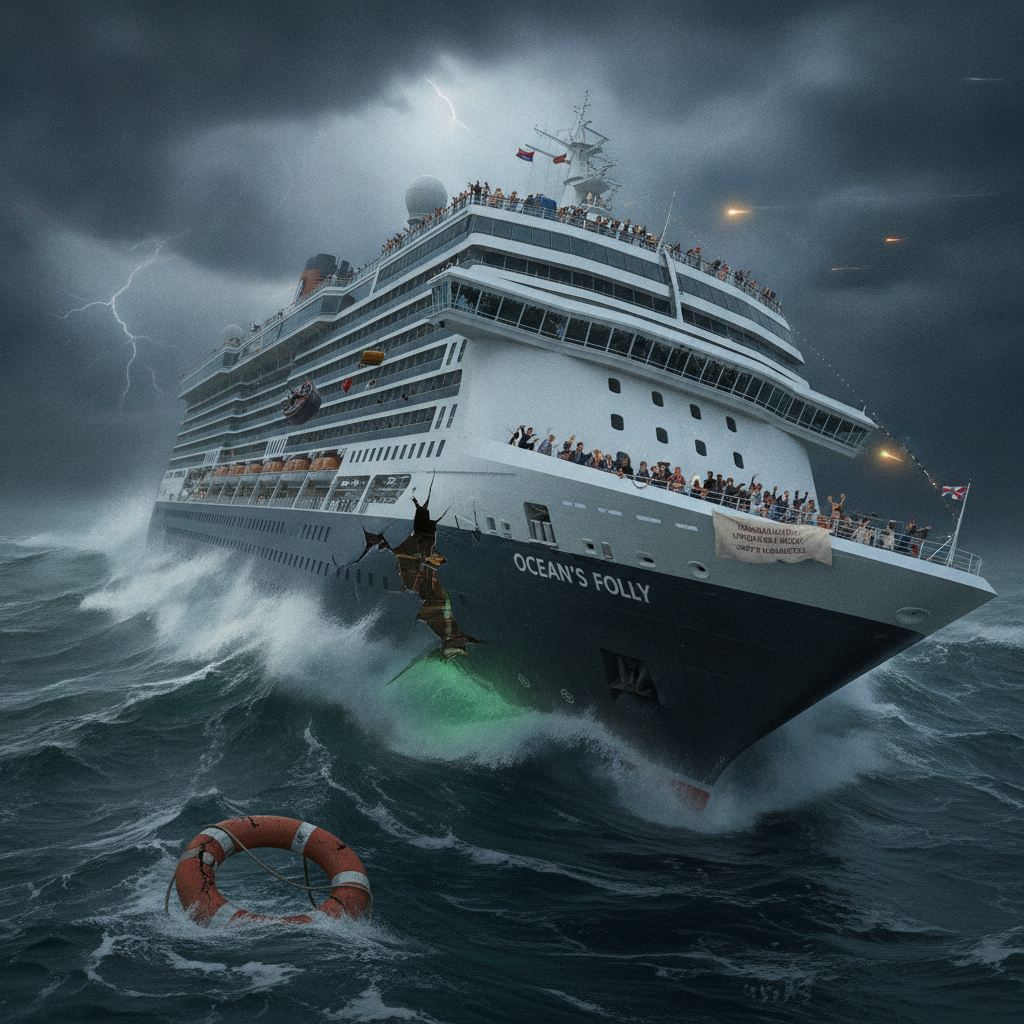
Cruises promise adventure and relaxation, but what happens when a passenger’s dream vacation turns into a nightmare due to the cruise line’s reckless behavior? For those who have suffered serious harm at sea, understanding when punitive damages become available is crucial. While most injury claims focus on compensating victims for their losses, there are rare instances where the law allows for something more, punitive damages, designed to punish egregious misconduct and deter future wrongdoing. If you’re searching for a cruise ship negligence lawyer, you’re likely wondering what distinguishes ordinary negligence from gross negligence on the high seas, and how courts decide when to award punitive damages. This article dives deep into the legal landscape, explaining the difference between compensatory and punitive damages, uncovering what it takes to prove gross negligence by a cruise line, and exploring real-world scenarios where passengers have successfully held cruise companies accountable for more than just their medical bills. Whether you’re a small business owner, developer, or simply a curious reader, you’ll gain valuable insight into the high stakes of maritime law and the protections available to cruise passengers when things go terribly wrong.
Understanding Negligence and Gross Negligence at Sea
Negligence is a foundational concept in personal injury law, including cases that occur on cruise ships. At its core, negligence means failing to exercise reasonable care, resulting in harm to another person. On a cruise ship, this could be anything from failing to mop up a spill to ignoring a broken handrail. However, not all negligence is created equal. Gross negligence is a much more serious breach, it refers to conduct that shows a reckless disregard for the safety of others, going beyond mere carelessness. For example, if a cruise line knowingly ignores repeated warnings about a dangerous condition, or fails to provide basic safety equipment, this could rise to the level of gross negligence.
The distinction matters because gross negligence can open the door to punitive damages, which are not available for ordinary negligence. Courts look for evidence that the cruise line’s actions were so egregious that they warrant punishment, not just compensation. This higher standard is difficult to meet, but it plays a critical role in holding cruise companies accountable when their conduct puts passengers at serious risk. If you believe your case involves more than just a simple mistake, consulting with Goss Law Firm can help you determine if gross negligence applies to your situation.
When Do Punitive Damages Come Into Play?
Punitive damages are a unique aspect of the legal system. Unlike compensatory damages, which are meant to reimburse victims for their losses, punitive damages are designed to punish the wrongdoer and send a message to others. In the context of cruise ship injuries, punitive damages are rarely awarded, but they become available when a cruise line’s conduct is especially outrageous or reckless. For example, if a cruise company intentionally disregards passenger safety protocols or covers up known hazards, a court may find that punitive damages are warranted.
The legal threshold for punitive damages is high. Plaintiffs must show clear and convincing evidence that the cruise line’s behavior was not just negligent, but grossly negligent or even intentional. This often requires a thorough investigation, gathering internal documents, and sometimes even whistleblower testimony. For passengers navigating these complex waters, working with a personal injury lawyer in Miami FL can be invaluable in building a strong case for punitive damages.
Real-Life Examples: When Cruise Lines Cross the Line
To truly understand when punitive damages might be available, it helps to look at real-world scenarios. Courts have considered punitive damages in cases where cruise lines acted with reckless disregard for passenger safety. For instance, there have been situations where a cruise company ignored repeated reports of a malfunctioning lifeboat or failed to address a known security threat on board. In these cases, the cruise line’s failure to act went beyond simple oversight, it demonstrated a conscious disregard for the well-being of passengers.
Another example involves situations where cruise staff were inadequately trained to handle emergencies, despite prior incidents highlighting the need for better preparation. If a passenger is injured because the crew was not equipped to respond to a medical crisis or fire, and it’s shown that management knew about these deficiencies but did nothing, courts may consider punitive damages. These cases are complex, and proving gross negligence requires a detailed legal strategy. Consulting a Cruise line negligence lawyer Miami FL is often the first step in holding cruise companies accountable for such egregious conduct.
How Maritime Law Shapes Passenger Rights
Maritime law, also known as admiralty law, governs incidents that occur on navigable waters, including cruise ships. This body of law is distinct from state or federal law and comes with its own set of rules and procedures. One of the key differences is how damages are awarded. While compensatory damages are common, punitive damages are only available in exceptional cases under maritime law. The courts have established that punitive damages can be awarded for gross negligence, but not for simple mistakes or accidents.
Maritime law also affects how claims are filed, the types of evidence required, and the deadlines for taking legal action. For example, cruise tickets often contain clauses that limit the time passengers have to file a lawsuit, and may attempt to restrict the types of damages that can be recovered. However, courts have sometimes struck down these limitations when gross negligence or intentional misconduct is involved. For a deeper dive into how medical errors by cruise ship doctors can become the cruise line’s responsibility, see The Medical Malpractice Twist: When Cruise Ship Doctors’ Errors Become the Line’s Negligence.
Proving Gross Negligence: What Evidence Matters Most
Building a case for gross negligence is no easy task. Plaintiffs must provide clear and convincing evidence that the cruise line’s conduct rose to the level of recklessness or willful disregard for passenger safety. This often involves collecting a wide range of evidence, such as internal company memos, maintenance logs, safety reports, and eyewitness testimony. The goal is to show a pattern of behavior or a specific incident that demonstrates the cruise line knew about a danger and chose to do nothing.
Expert witnesses, such as maritime safety consultants, can also play a crucial role in explaining industry standards and highlighting where the cruise line fell short. Surveillance footage, passenger complaints, and prior incident reports are all pieces of the puzzle. For more on the types of evidence that can make or break a cruise ship negligence case, check out What Evidence Wins a Cruise Ship Negligence Case? Documents, Logs, and Witnesses.
The Role of Corporate Culture in Cruise Ship Safety
A cruise line’s corporate culture can significantly influence how safety policies are implemented and enforced. Companies that prioritize profits over passenger well-being may cut corners on maintenance, staff training, or emergency preparedness. When investigating gross negligence, attorneys often look beyond the immediate incident to examine the broader organizational practices. Was there a history of ignoring safety warnings? Did management discourage employees from reporting hazards? These questions help paint a picture of whether the company’s culture fostered an environment where gross negligence could occur.
For instance, if a cruise line repeatedly fails safety inspections or has a pattern of similar accidents, this may indicate systemic problems rather than isolated mistakes. Courts are more likely to award punitive damages when there is evidence that the company’s leadership knowingly tolerated dangerous conditions. This focus on corporate culture underscores the importance of transparency and accountability in the cruise industry, and why legal action can sometimes be the catalyst for broader change.
Passenger Responsibilities and Comparative Fault
While cruise lines have a duty to keep passengers safe, individuals also bear some responsibility for their own well-being. Courts may consider whether the injured passenger acted reasonably under the circumstances. For example, if a passenger ignored posted warnings or engaged in risky behavior, this could limit their ability to recover damages, even in cases of gross negligence. This concept, known as comparative fault, means that compensation may be reduced in proportion to the passenger’s share of responsibility.
However, comparative fault does not automatically shield cruise lines from punitive damages if their conduct was truly egregious. The key is whether the cruise company’s actions were so reckless that they overshadow any mistakes made by the passenger. Understanding the interplay between passenger responsibility and cruise line liability is essential for anyone considering legal action after a serious injury at sea.
How Punitive Damages Differ from Compensatory Damages
It’s important to distinguish between compensatory and punitive damages, as they serve very different purposes. Compensatory damages are meant to make the injured party whole by covering medical expenses, lost wages, pain and suffering, and other tangible losses. Punitive damages, on the other hand, are intended to punish the wrongdoer and deter similar conduct in the future. They are only awarded in cases where the defendant’s actions were especially harmful or malicious.
In the context of cruise ship injuries, punitive damages are rare but significant. They send a clear message to the cruise industry that reckless disregard for passenger safety will not be tolerated. For victims, the possibility of punitive damages can provide a sense of justice beyond financial compensation, especially when the harm suffered was preventable and the result of gross negligence.
Table: Key Differences Between Negligence and Gross Negligence on Cruise Ships
| Aspect | Negligence | Gross Negligence |
|---|---|---|
| Definition | Failure to exercise reasonable care | Reckless disregard or willful indifference to safety |
| Examples | Not cleaning a wet floor promptly | Ignoring repeated safety warnings |
| Legal Consequences | Compensatory damages only | Potential for punitive damages |
| Burden of Proof | Preponderance of evidence | Clear and convincing evidence |
The Impact of Punitive Damages on the Cruise Industry
Punitive damages do more than compensate victims, they can drive meaningful change within the cruise industry. When courts award punitive damages, it sends a strong signal to cruise lines that cutting corners on safety is unacceptable. Over time, these legal consequences can lead to improved safety protocols, better training for staff, and greater transparency about risks. For passengers, the possibility of punitive damages offers an additional layer of protection, ensuring that cruise companies take their responsibilities seriously.
It’s worth noting that punitive damages are not guaranteed in every case of gross negligence. Courts carefully consider the facts and the cruise line’s response to known dangers. However, the mere threat of punitive damages can prompt cruise lines to proactively address safety concerns and avoid the reputational and financial fallout that comes with high-profile lawsuits.
What to Expect When Pursuing a Gross Negligence Claim
Passengers who believe they have been harmed by gross negligence should be prepared for a challenging legal process. These cases often involve extensive discovery, including requests for internal documents and depositions of key personnel. Plaintiffs may need to demonstrate a pattern of misconduct or a specific act that rises to the level of recklessness. It’s also common for cruise lines to vigorously defend against claims for punitive damages, given the potential financial impact.
Working with an experienced cruise ship negligence lawyer is essential. Legal professionals can help gather the necessary evidence, navigate the complexities of maritime law, and advocate for your rights in court. While the process can be lengthy and demanding, the potential for punitive damages provides a powerful incentive for cruise lines to take passenger safety seriously and for victims to seek full accountability.
Key Takeaways
Gross negligence on the high seas is more than just a legal technicality, it’s a critical safeguard for cruise passengers who suffer serious harm due to a company’s reckless disregard for safety. While punitive damages are rare, they play an important role in holding cruise lines accountable and driving industry-wide improvements. Understanding the difference between ordinary negligence and gross negligence, the role of maritime law, and the evidence required to prove such claims is essential for anyone considering legal action after a cruise ship injury. Whether you’re a business owner, developer, or concerned traveler, knowing your rights and the potential for punitive damages can make all the difference when the stakes are high.

bicouser