English
 Arabic
 Chinese (Simplified)
 Dutch
Dutch French
 German
 Italian
 Portuguese
 Russian
 Spanish
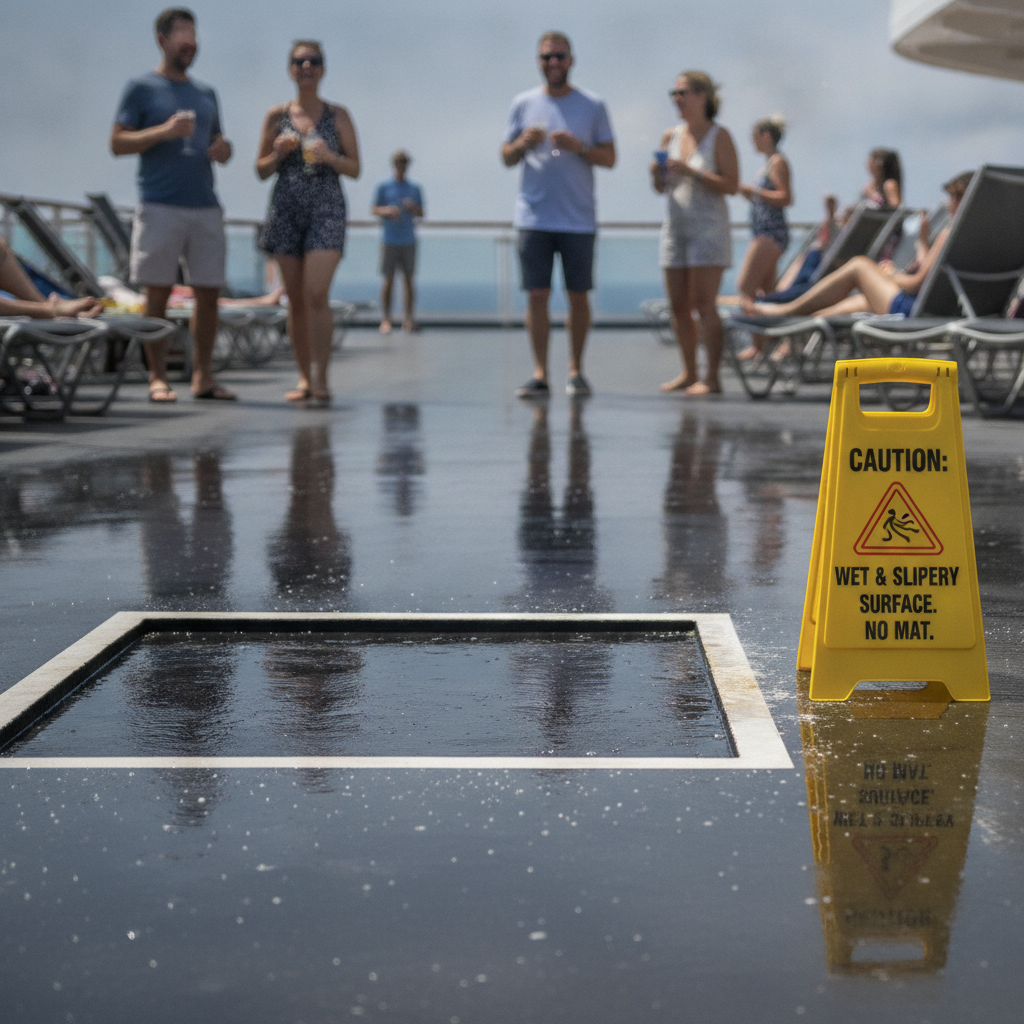
Cruise vacations are meant to be relaxing escapes, but for many, a dream trip can quickly turn into a nightmare due to a preventable accident. When you step onto a cruise ship, you trust that the environment will be safe and hazards will be managed. Unfortunately, wet decks, missing mats, and other routine dangers are all too common. If you’ve suffered an injury, you might wonder how to prove that the cruise line was aware of these risks and failed to address them. Working with a Cruise Ship Negligence Lawyer can make all the difference in holding these massive corporations accountable for their routine oversights. In this guide, we’ll break down how to demonstrate that your accident wasn’t just a fluke but a foreseeable, repeated hazard the cruise line should have prevented. Whether you’re a small business owner, developer, or simply a curious traveler, understanding these legal nuances can empower you to protect your rights and seek fair compensation if the unthinkable happens.
Routine Hazards on Cruise Ships: More Than Just Bad Luck
Cruise ships are floating cities, bustling with thousands of passengers and crew. With so much activity, it’s not surprising that certain hazards become routine. Wet decks from pool splashes, beverage spills in dining areas, and missing non-slip mats near entrances are just a few examples. These aren’t rare occurrences, they’re predictable risks that cruise lines encounter daily. When these conditions aren’t addressed, they can lead to serious slip and fall injuries, broken bones, or worse.
Unlike a one-off accident, routine hazards are those that happen so frequently that the cruise line should have systems in place to prevent them. If you’ve been hurt because of a recurring issue, it’s not enough for the cruise line to claim ignorance. They have a duty to anticipate these risks and act accordingly. Proving that your injury resulted from a known, routine hazard is a crucial step in any claim.
Legal experts like Goss Law Firm understand that demonstrating a pattern of negligence is often the key to winning these cases. By showing that the cruise line repeatedly failed to address the same issue, you can establish that your injury was not an isolated incident but part of a broader problem.
Why Cruise Lines Must Anticipate and Fix Recurring Risks
Cruise operators are held to a high standard of care because of the unique environment they create. With so many guests in close quarters, even minor oversights can have major consequences. The law expects cruise lines to anticipate common hazards, like wet decks or missing mats, and to take reasonable steps to prevent injuries before they occur.
This duty goes beyond simply reacting to accidents as they happen. Cruise lines must proactively inspect their ships, maintain safety equipment, and train staff to spot and address hazards quickly. If a particular area is prone to getting slippery, or if mats often go missing, the cruise line should have procedures in place to monitor and correct these issues throughout the day.
When a cruise line fails in these responsibilities, and someone gets hurt, it’s not just unfortunate, it may be negligence. A personal injury lawyer in Miami FL can help you gather the evidence needed to show that the cruise line’s inaction was unreasonable given the known, repeated risks onboard.
How to Document Patterns of Negligence at Sea
One of the most effective ways to prove your injury was caused by a routine hazard is to document a pattern of negligence. This means showing that the cruise line knew (or should have known) about the risk and failed to address it consistently. Start by gathering your own evidence, take photos of the hazard, note the time and location, and collect contact information from any witnesses.
But you don’t have to stop there. Look for signs that the issue is ongoing. For example, ask other passengers if they’ve noticed the same problem before. Check online reviews or forums for similar complaints. If the cruise line has a history of wet decks or missing mats in a particular area, this can strengthen your case significantly.
A Cruise line negligence lawyer Miami FL will know how to request maintenance logs, incident reports, and surveillance footage to uncover patterns of neglect. The more evidence you can provide, the harder it is for the cruise line to dismiss your claim as a one-time accident.
The Role of Crew Training and Response in Proving Negligence
A cruise line’s approach to crew training and incident response is a window into its safety culture. Well-trained staff should be able to identify routine hazards quickly and act to mitigate them. If you notice crew members ignoring wet floors, failing to replace missing mats, or simply walking past obvious dangers, this can be powerful evidence of negligence.
It’s not just about what the crew does after an accident, but how they handle routine safety checks and maintenance. Are there regular inspections? Do staff members document hazards and take corrective action? These details matter when building your case. If the cruise line can’t show that its crew is adequately trained and supervised, it’s much harder for them to argue that your injury was unforeseeable.
For more insight into how slip and fall cases can become premises liability claims, see When a Slip and Fall in Miami Becomes a Premises Liability Case. Understanding the interplay between crew actions and corporate policies can help you and your legal team prove that the cruise line’s negligence was systemic, not just situational.
Gathering Evidence: What Really Makes a Difference
When it comes to cruise ship injury claims, the strength of your evidence can make or break your case. It’s not enough to simply say that a hazard existed, you need to show that it was a routine problem, and that the cruise line was aware (or should have been aware) of it. This is where photos, videos, and witness statements become invaluable.
Beyond your own documentation, maintenance logs, cleaning schedules, and prior incident reports can reveal whether the cruise line has a pattern of neglect. Surveillance footage may capture the hazard before and after your accident, showing how long it was left unaddressed. The more you can connect your injury to a repeated, unaddressed risk, the stronger your claim will be.
For a deeper dive into the types of evidence that can win a cruise ship negligence case, check out What Evidence Wins a Cruise Ship Negligence Case? Documents, Logs, and Witnesses. Understanding what to collect and how to present it can be the difference between a denied claim and a successful settlement.
Common Defenses Cruise Lines Use (and How to Counter Them)
When faced with a negligence claim, cruise lines often rely on a handful of well-worn defenses. One of the most common is to argue that the hazard was “open and obvious,” meaning any reasonable person would have seen and avoided it. Another is to claim that the risk was so sudden or unexpected that there was no reasonable way for staff to address it in time.
They may also suggest that the passenger was at fault, perhaps you were distracted, wearing improper footwear, or ignoring warning signs. Sometimes, cruise lines point to their cleaning logs or inspection records to show that they took reasonable steps to prevent accidents, even if those steps were insufficient.
To counter these defenses, it’s important to show that the hazard was not just present, but recurring. If wet decks or missing mats are a daily issue, the cruise line can’t credibly argue that your accident was unforeseeable. Collecting evidence of repeated complaints, prior incidents, and lack of corrective action is key to overcoming these arguments and proving negligence.
The Importance of Reporting and Following Up After an Accident
If you’re injured on a cruise ship, your first instinct may be to get medical attention and try to salvage your vacation. But it’s just as important to report the incident to ship staff immediately. Make sure the accident is documented in the ship’s records, and request a copy of the report for your own files.
Don’t assume that the cruise line will follow up on its own. Stay persistent, ask about the investigation, and keep track of your communications. If you notice that the hazard remains unaddressed after your accident, document this as well. It can be powerful evidence that the cruise line is neglecting routine risks.
Following up after your return is also crucial. Consult with a legal professional who understands the complexities of maritime law and can help you navigate the claims process. The sooner you act, the better your chances of preserving key evidence and protecting your rights.
How Industry Standards Shape Expectations for Cruise Safety
Cruise lines don’t operate in a vacuum, there are industry standards and best practices that guide how they should address routine hazards. These standards often come from maritime safety organizations, insurance requirements, and even the cruise lines’ own internal policies. They cover everything from the frequency of deck inspections to the type of non-slip materials used in high-traffic areas.
If a cruise line falls short of these standards, it can be strong evidence of negligence. For example, if industry guidelines recommend checking pool decks every hour and the cruise line only does so once a day, this gap can be used to show that the company failed to meet reasonable expectations. Similarly, if mats are missing in areas where they are industry standard, this can further support your claim.
Understanding these benchmarks can help you and your attorney build a case that goes beyond your individual experience, showing that the cruise line’s practices are out of step with what’s considered safe and reasonable in the industry.
Comparing Cruise Line Safety Practices: A Closer Look
Not all cruise lines handle routine risks the same way. Some invest heavily in safety training, regular inspections, and state-of-the-art materials, while others may cut corners to save costs. Understanding how your cruise line stacks up against others can provide valuable context for your claim.
Below is a table comparing common safety practices among major cruise operators. While this is a general overview, it highlights the types of measures that can make a difference in preventing routine hazards:
| Safety Practice | Typical Frequency | Best Practice |
|---|---|---|
| Deck Inspections | Every 2-3 hours | Hourly or more often in wet areas |
| Mat Replacement | As needed | Immediate upon noticing missing or worn mats |
| Crew Safety Training | Quarterly | Monthly or ongoing |
| Incident Reporting | Paper logs, sometimes digital | Digital logs with real-time monitoring |
By comparing your cruise line’s practices to these benchmarks, you can identify gaps that may have contributed to your injury. This context can be persuasive in negotiations or court proceedings.
What to Expect When Working With a Cruise Ship Negligence Lawyer
If you decide to pursue a claim, partnering with a Cruise Ship Negligence Lawyer can be invaluable. These professionals understand the unique challenges of maritime law, including the strict deadlines and specialized procedures that apply to cruise ship injury cases. They’ll help you gather evidence, interview witnesses, and build a compelling case that highlights the cruise line’s failure to address routine hazards.
Your lawyer will likely start by reviewing your documentation and requesting additional records from the cruise line. They may consult with industry experts to establish what reasonable safety practices should look like. Throughout the process, your attorney will handle negotiations with the cruise line’s legal team, aiming for a fair settlement or, if necessary, preparing for trial.
Choosing a lawyer with experience in cruise ship negligence is essential. They’ll know how to anticipate the cruise line’s defenses and how to present your case in the most effective way possible. With the right legal support, you can focus on your recovery while your attorney works to hold the cruise line accountable.
Key Takeaways
Proving that a cruise line knew about your hazard and failed to address it is rarely straightforward, but it is possible with the right approach. Routine risks like wet decks and missing mats are not just unfortunate accidents, they are foreseeable dangers that cruise lines must manage proactively. By documenting patterns of negligence, understanding industry standards, and working with a skilled Cruise Ship Negligence Lawyer, you can build a strong case for compensation.
Remember, your safety is not a matter of luck. Cruise lines have a duty to protect their guests from routine hazards, and when they fall short, you have the right to hold them accountable. Whether you’re a business owner, developer, or traveler, staying informed about your rights and the legal process can make all the difference if you ever find yourself facing an injury at sea.

bicouser