English
 Arabic
 Chinese (Simplified)
 Dutch
 French
 German
 Italian
 Portuguese
 Russian
 Spanish
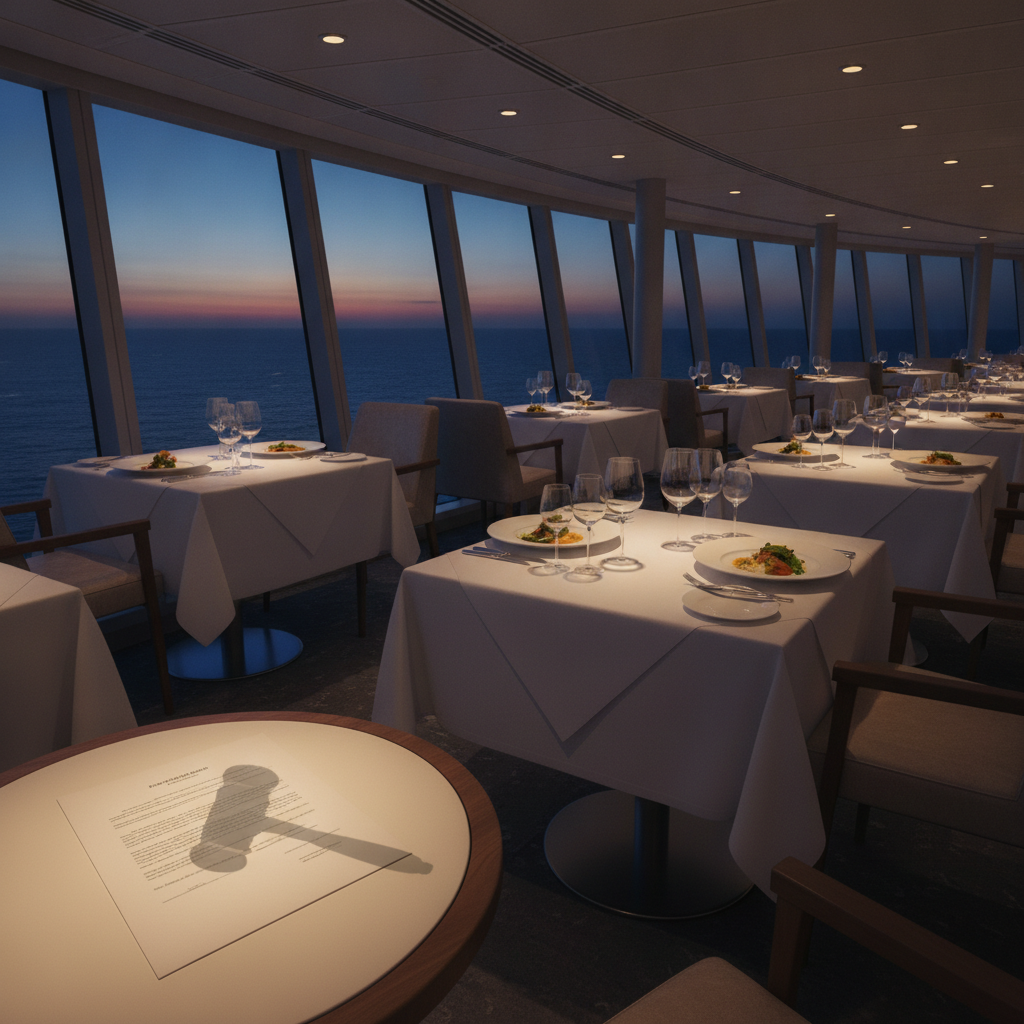
Cruise vacations promise relaxation, adventure, and luxury, but a single contaminated meal can quickly turn a dream trip into a nightmare. Food poisoning on a cruise is more than just an inconvenience, it can lead to serious illness, lost vacation time, and even long-term health consequences. For many, the question arises: when does a cruise line’s responsibility for food safety cross into legal liability? This is where understanding the role of a cruise ship negligence lawyer becomes crucial. Whether you’re a small business owner curious about liability, a developer interested in hospitality standards, or a traveler seeking peace of mind, knowing how contaminated food incidents are handled at sea is essential. This article explores the unique legal landscape of cruise ship food poisoning, how negligence is proven, and what steps you can take if you or someone you know becomes ill due to unsafe meals on board. From the complexities of international law to practical advice on documentation, we’ll guide you through what it takes to turn a ruined vacation into a valid legal claim.
Understanding Food Poisoning Risks on Cruise Ships
Cruise ships are floating cities, serving thousands of meals daily in confined spaces. This unique environment makes food safety a top priority, but it also increases the risk of outbreaks. Food poisoning can result from contaminated ingredients, improper food handling, or lapses in kitchen hygiene. Common culprits include norovirus, salmonella, and E. coli. When multiple passengers fall ill, it often points to a systemic failure rather than an isolated incident. Passengers may not realize that cruise lines must follow strict international and maritime food safety standards. If these standards are neglected, passengers may have grounds for legal action. For more on your options, read more about how legal claims are built after cruise ship illnesses.
How Cruise Lines Are Expected to Prevent Contaminated Meals
Cruise operators are expected to maintain rigorous food safety protocols. This includes regular staff training, frequent inspections, and compliance with both U.S. and international health regulations. The Centers for Disease Control and Prevention (CDC) conducts surprise inspections of ships docking in the U.S. but cruise lines must also adhere to the International Health Regulations. Proper refrigeration, thorough cooking, and safe food storage are essential. When these measures are ignored or corners are cut, the risk of foodborne illness rises sharply. Passengers who become ill due to such negligence may have the right to pursue maritime injury claims against the cruise line, especially if there is evidence of repeated violations or ignored warnings.
Documenting Your Illness and the Ship’s Response
If you suspect food poisoning on a cruise, documentation is key. Start by reporting your illness to the ship’s medical staff and requesting a written record of your visit. Take note of what you ate, when symptoms appeared, and whether other passengers are experiencing similar issues. Save receipts, take photos of your meals if possible, and keep any written communication from the cruise line. The ship’s response, such as isolating sick passengers or offering compensation, can also be relevant. This evidence can support your claim if you pursue legal action. For a deeper look at preserving records, see Injured on a Cruise Ship? How to Request and Preserve the Vessel’s Incident Records.
Legal Standards for Proving Cruise Ship Negligence
Proving negligence after a food poisoning incident on a cruise ship requires showing that the cruise line failed to meet its duty of care. This means demonstrating that the company did not follow proper food safety practices or ignored known risks. Evidence might include inspection reports, witness statements, or a pattern of similar complaints. A cruise ship negligence lawyer can help gather and present this information effectively. The legal process can be complex, especially when international waters and multiple jurisdictions are involved. To understand your rights regarding reporting and legal requirements at sea, explore What Cruise Passengers Should Know About Crime Reporting Requirements at Sea.
Common Foodborne Illnesses on Cruise Ships
Cruise ships are particularly vulnerable to certain types of foodborne illnesses due to the close quarters and shared dining facilities. Norovirus is the most notorious, often causing rapid outbreaks of vomiting and diarrhea. Salmonella and E. coli can also spread through undercooked meats, contaminated produce, or improper food handling. Symptoms can range from mild discomfort to severe dehydration or hospitalization. Outbreaks are sometimes traced back to a single meal or buffet, making it easier to identify the source. Recognizing the signs of these illnesses and seeking prompt medical attention is critical. Documenting your symptoms and the food you consumed can help establish a link between your illness and the cruise line’s food service practices.
The Role of International and Maritime Law in Food Poisoning Cases
Cruise ships operate under a unique blend of international, maritime, and sometimes local laws. When a food poisoning incident occurs, determining which laws apply can be challenging. Cruise contracts often specify where lawsuits must be filed and which country’s laws govern disputes. Maritime law typically requires cruise lines to provide a safe environment for passengers, including safe food. However, the burden of proof often falls on the passenger. Working with a cruise ship negligence lawyer who understands these legal nuances is essential for building a strong case. Navigating this legal maze requires expertise in both maritime law and the specific regulations that govern cruise ships and their food service operations.
What to Do If You Get Sick from Cruise Ship Food
If you become ill after eating on a cruise, your first step should be to seek medical attention from the ship’s medical staff. Request documentation of your diagnosis and treatment. Next, report your illness to guest services and ask for a copy of any incident report. Collect as much evidence as possible: photos, receipts, and names of other affected passengers. If your symptoms persist or worsen after disembarking, visit a healthcare provider on land and keep all medical records. These steps will help support any future legal claim and ensure you receive appropriate care. Taking action quickly is crucial, as cruise lines often impose strict deadlines for reporting incidents and filing claims.
How a Cruise Ship Negligence Lawyer Can Help
A cruise ship negligence lawyer can make a significant difference in the outcome of a food poisoning claim. These attorneys understand the complexities of maritime law and the tactics cruise lines use to deny or minimize liability. They can help you gather evidence, navigate the claims process, and negotiate with the cruise line or its insurers. An experienced lawyer will also ensure that your claim is filed in the correct jurisdiction and within the required timeframe. If a settlement cannot be reached, your attorney can represent you in court. Their expertise increases your chances of securing compensation for medical bills, lost wages, pain and suffering, and other damages resulting from contaminated meals at sea.
Notable Food Poisoning Outbreaks and Lessons Learned
Over the years, several high-profile food poisoning outbreaks have made headlines in the cruise industry. These incidents often involve hundreds of passengers and crew, leading to widespread illness and negative publicity for the cruise line. Investigations typically reveal lapses in food safety protocols, such as improper storage temperatures or inadequate handwashing. In some cases, outbreaks have prompted changes in industry practices and stricter enforcement of health regulations. Passengers affected by these outbreaks have successfully pursued legal claims, highlighting the importance of documentation and legal representation. These cases serve as a reminder that cruise lines have a duty to protect their guests from preventable harm, including contaminated food.
Comparing Cruise Ship Food Safety to Other Hospitality Industries
Food safety on cruise ships is subject to different challenges than in hotels or restaurants on land. Ships must store large quantities of food for extended periods and prepare meals in bulk for thousands of passengers. The confined environment increases the risk of rapid disease transmission. While hotels and restaurants are inspected by local health departments, cruise ships are evaluated by agencies like the CDC’s Vessel Sanitation Program. Despite these differences, the basic principles of food safety, cleanliness, proper cooking, and safe storage, apply everywhere. Comparing practices across industries highlights the importance of vigilance and the potential consequences when standards are not met at sea.
| Foodborne Illness | Common Symptoms | Typical Source on Ships |
|---|---|---|
| Norovirus | Vomiting, diarrhea, stomach cramps | Contaminated surfaces, salads, shellfish |
| Salmonella | Fever, diarrhea, abdominal pain | Undercooked eggs, poultry, produce |
| E. coli | Severe stomach cramps, diarrhea, nausea | Raw vegetables, unpasteurized juice, beef |
| Listeria | Fever, muscle aches, confusion | Deli meats, soft cheeses, smoked fish |
Steps to Take After a Suspected Foodborne Illness
If you suspect you’ve contracted a foodborne illness on a cruise, act quickly to protect your health and your legal rights. Seek immediate medical care from the ship’s medical team and request a detailed record of your symptoms and treatment. Notify guest services and request a copy of any incident report. Collect evidence such as photos of your meals, receipts, and names of other sick passengers. Upon returning home, continue medical treatment if necessary and keep all related records. Contacting a cruise ship negligence lawyer early can help you understand your options and ensure your claim is filed correctly and on time.
Why Timely Action Matters for Your Legal Claim
Time is of the essence when pursuing a legal claim for food poisoning on a cruise. Cruise lines often require passengers to report illnesses within a short window, sometimes as little as a few days after the incident. Legal deadlines for filing a lawsuit, known as statutes of limitations, may also be shorter for maritime cases than for other types of personal injury claims. Delaying action can result in lost evidence, faded memories, or missed opportunities to identify other affected passengers. Consulting a cruise ship negligence lawyer promptly ensures that your rights are protected and that all necessary steps are taken to build a strong case against the cruise line.
The Bottom Line
Food poisoning on a cruise is a serious matter that can have lasting effects on your health, finances, and overall travel experience. Understanding your rights and the responsibilities of cruise lines is essential for anyone who sets sail. If you or a loved one becomes ill due to contaminated food, taking prompt action, documenting your illness, seeking medical care, and consulting a cruise ship negligence lawyer, can make all the difference. The legal process may seem daunting, but with the right support and information, you can hold negligent cruise lines accountable and seek fair compensation. Remember, your safety and well-being should never be compromised for the sake of convenience or profit at sea.

bicouser
Latest posts by bicouser (see all)
- Food Poisoning on a Cruise: When Contaminated Meals Support a Legal Claim - November 22, 2026