English
 Arabic
 Chinese (Simplified)
 Dutch
 French
 German
 Italian
 Portuguese
 Russian
 Spanish

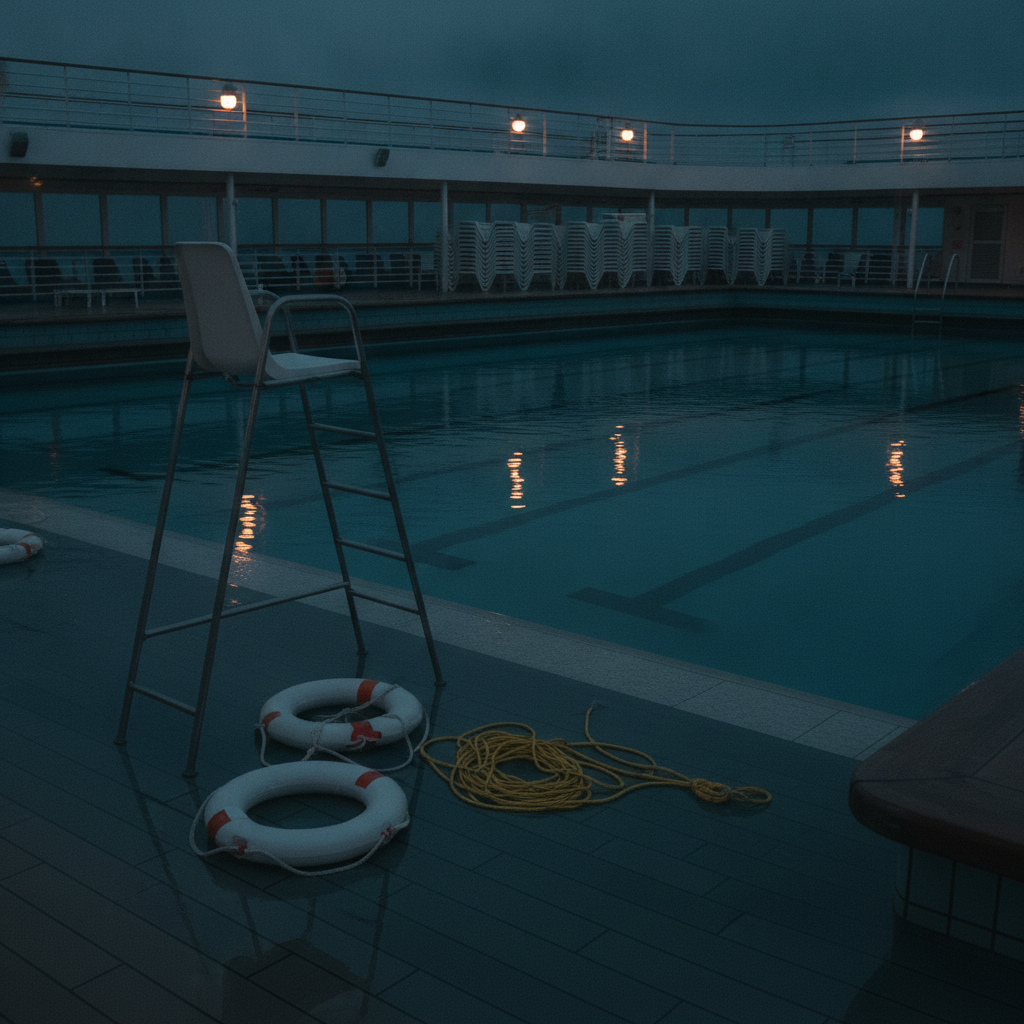
Cruise vacations are meant to be a time of relaxation and fun, but for some, they turn tragic due to preventable accidents. One of the most alarming types of incidents at sea involves drownings and pool-related injuries. These accidents often raise questions about the responsibilities of cruise lines and the critical role of lifeguards and safety protocols. If you or a loved one has been affected, consulting a cruise ship negligence lawyer can help clarify your legal options. In this article, we’ll dive deep into how cruise ship pool accidents happen, why they persist, and what steps passengers and businesses can take to promote safety and accountability. Whether you’re a small business owner, a developer working on safety features, or simply a concerned traveler, understanding the risks and remedies associated with cruise ship pool accidents is essential for protecting everyone onboard.
Understanding Pool Drowning Risks on Cruise Ships
Pools are a central attraction on most cruise ships, catering to families and adults alike. Yet, the unique environment of a ship, limited space, constant motion, and crowded decks, creates hazards not found in land-based resorts. Drowning can occur in seconds, especially when children are involved or when alcohol is a factor. Many cruise lines have historically failed to provide lifeguards, relying instead on warning signs and parental supervision. This approach often proves insufficient, as distractions and the false sense of security on vacation can lead to lapses in attention. For those affected by such tragedies, a read more about how legal professionals can help families seek justice and improve safety standards.
Why Lifeguard Presence Matters at Sea
The presence of trained lifeguards is a proven method for reducing drowning incidents in public pools, yet many cruise ships still do not employ them. The argument often centers around logistics and cost, but the reality is that lifeguards can make a life-or-death difference. Their ability to respond instantly to emergencies, enforce pool rules, and monitor risky behaviors is unmatched by passive signage or surveillance cameras. The lack of lifeguards has been cited in numerous lawsuits and media reports following high-profile cruise pool accidents. As awareness grows, some cruise lines have begun to change their policies, but the industry as a whole still lags behind. For those seeking legal recourse, the Goss Law Firm has experience in handling cases involving inadequate safety measures on cruise ships.
Common Factors Contributing to Pool Accidents
Several recurring factors contribute to cruise ship pool accidents. Overcrowding is a significant issue, as pools are often small relative to the number of passengers. Slippery surfaces around the pool, lack of clear depth markers, and insufficient supervision all play a role. Alcohol consumption, which is prevalent on cruises, can impair judgment and increase the risk of accidents. Children left unattended or inadequately supervised are particularly vulnerable. In many cases, the absence of emergency equipment or poorly trained staff exacerbates the situation. If you are ever involved in a cruise ship incident, it’s crucial to document what happened. Learn more about preserving evidence with Injured on a Cruise Ship? How to Request and Preserve the Vessel’s Incident Records.
Legal Responsibilities of Cruise Lines for Pool Safety
Cruise lines have a duty of care to protect their passengers from foreseeable harm, including pool-related injuries. This responsibility extends to maintaining safe pool environments, providing adequate supervision, and ensuring that safety equipment is accessible and functional. When a cruise line fails in these duties, it may be held liable for resulting injuries or deaths. Legal claims often hinge on proving negligence, such as inadequate staffing, poor maintenance, or failure to warn of known risks. The complexities of maritime law and jurisdiction can make these cases challenging. For more insights on how where you file your claim can impact your case, see Cruise Ship Injury Claims: How Forum Selection Clauses Can Determine Where You Sue.
How Pool Design and Maintenance Affect Safety
The design and upkeep of cruise ship pools play a significant role in passenger safety. Poorly designed pools may lack shallow areas for children, have confusing depth markings, or use materials that become dangerously slippery when wet. Regular maintenance is essential to ensure that drains, ladders, and emergency equipment are in working order. Neglected maintenance can lead to hidden hazards, such as broken tiles or malfunctioning filtration systems, which increase the risk of injury. Cruise lines must also ensure that pool water quality is maintained to prevent illness. Ship operators who cut corners on design or maintenance may be found negligent if an accident occurs. For developers and safety professionals, prioritizing robust design and frequent inspections is key to reducing risks at sea.
The Role of Crew Training in Emergency Response
Even with the best pool designs and equipment, the effectiveness of a cruise ship’s emergency response depends on the crew’s training. Crew members should be able to recognize the signs of drowning, perform CPR, and use rescue equipment promptly. Regular safety drills and ongoing education are vital for keeping skills sharp. Unfortunately, not all cruise lines invest equally in crew training, leading to inconsistent emergency responses. Passengers may not be aware of the crew’s capabilities until an incident occurs. For small business owners in the hospitality industry, investing in staff training is a proactive way to reduce liability and protect guests. A well-prepared crew can make the difference between a close call and a tragedy when seconds count.
Passenger Awareness and Personal Responsibility
While cruise lines have a legal obligation to provide a safe environment, passengers also play a role in preventing pool accidents. Understanding posted rules, supervising children, and avoiding risky behaviors like running or diving in shallow water are essential steps. Alcohol consumption should be moderated, especially when swimming or supervising minors. Many pool accidents occur because passengers underestimate the dangers or ignore safety warnings. Educational efforts, such as safety briefings or visible reminders, can help bridge this gap. For families, designating a “water watcher”, an adult responsible for monitoring children at all times, can be a lifesaver. Ultimately, a collaborative approach between cruise lines and passengers is the most effective way to ensure everyone’s safety.
Comparing Cruise Ship Pool Safety to Land-Based Resorts
It’s instructive to compare cruise ship pool safety standards to those found at land-based resorts. Most hotels and resorts with pools are required by local laws to have lifeguards, clear signage, and regular inspections. On cruise ships, however, regulations are often less stringent or inconsistently enforced due to their international operations. This discrepancy can lead to confusion and a false sense of security for guests who assume similar protections exist at sea. The following table highlights some of the key differences between pool safety on cruise ships and land-based resorts.
| Feature | Cruise Ships | Land-Based Resorts |
|---|---|---|
| Lifeguard Requirement | Often not required | Usually required by law |
| Signage | Warning signs posted | Warning signs and depth markers |
| Supervision | Varies, often limited | Lifeguards and staff supervision |
| Regulatory Oversight | International maritime laws | Local/state regulations |
| Emergency Equipment | May be limited | Typically robust |
How Miami’s Cruise Industry Addresses Pool Safety
Miami is a global hub for the cruise industry, with thousands of passengers embarking from its port each week. Local cruise lines have faced scrutiny over pool safety, particularly after high-profile incidents. Some operators have begun implementing more rigorous safety protocols, including hiring certified lifeguards and enhancing crew training. However, practices still vary widely between companies. Miami’s legal community has played a role in advocating for improved standards and holding negligent operators accountable. Passengers departing from this city should familiarize themselves with their cruise line’s safety policies and not hesitate to ask questions about lifeguard presence and emergency procedures before setting sail.
What to Do if You Witness or Experience a Pool Accident
If you witness a pool accident on a cruise ship, immediate action is crucial. Alert the nearest crew member and call for help. If you are trained, provide first aid or CPR until professionals arrive. Document the scene by taking photos and noting the time, location, and any contributing factors, such as overcrowding or lack of supervision. Gather contact information from witnesses, as their accounts may be vital if a legal claim is pursued. After the incident, request a copy of the official report from the cruise line and keep records of all communications. Consulting with a cruise ship negligence lawyer can help you understand your rights and options for seeking compensation or policy changes.
Preventive Measures for Safer Cruise Ship Pools
Preventing pool accidents requires a multi-layered approach. Cruise lines should invest in certified lifeguards, conduct regular safety audits, and provide clear signage. Installing non-slip surfaces and ensuring that emergency equipment is accessible and functional can reduce risks. For families, designating a responsible adult to supervise children at all times is essential. Developers and designers can contribute by prioritizing safety in pool layouts and materials. Passengers should familiarize themselves with pool rules and avoid risky behaviors. By working together, cruise lines, staff, and guests can create a safer environment for everyone onboard, reducing the likelihood of tragic accidents and legal disputes.
Key Takeaways
Cruise ship pool accidents and drownings are preventable tragedies that highlight the importance of robust safety measures and clear accountability. The absence of lifeguards, inadequate crew training, and poor pool design all contribute to the risks faced by passengers. Both cruise lines and guests have roles to play in promoting safety, but the ultimate responsibility lies with the operators to provide a secure environment. If you or someone you know has been affected by a pool accident at sea, seeking guidance from a cruise ship negligence lawyer can be the first step toward justice and change. As the cruise industry continues to evolve, ongoing vigilance and advocacy are essential to ensure that every voyage is as safe as it is enjoyable.

bicouser
Latest posts by bicouser (see all)
- Cabin and Balcony Accidents on Cruise Ships: Who May Be Responsible? - November 20, 2026