English
 Arabic
 Chinese (Simplified)
 Dutch
 French
 German
 Italian
 Portuguese
 Russian
 Spanish

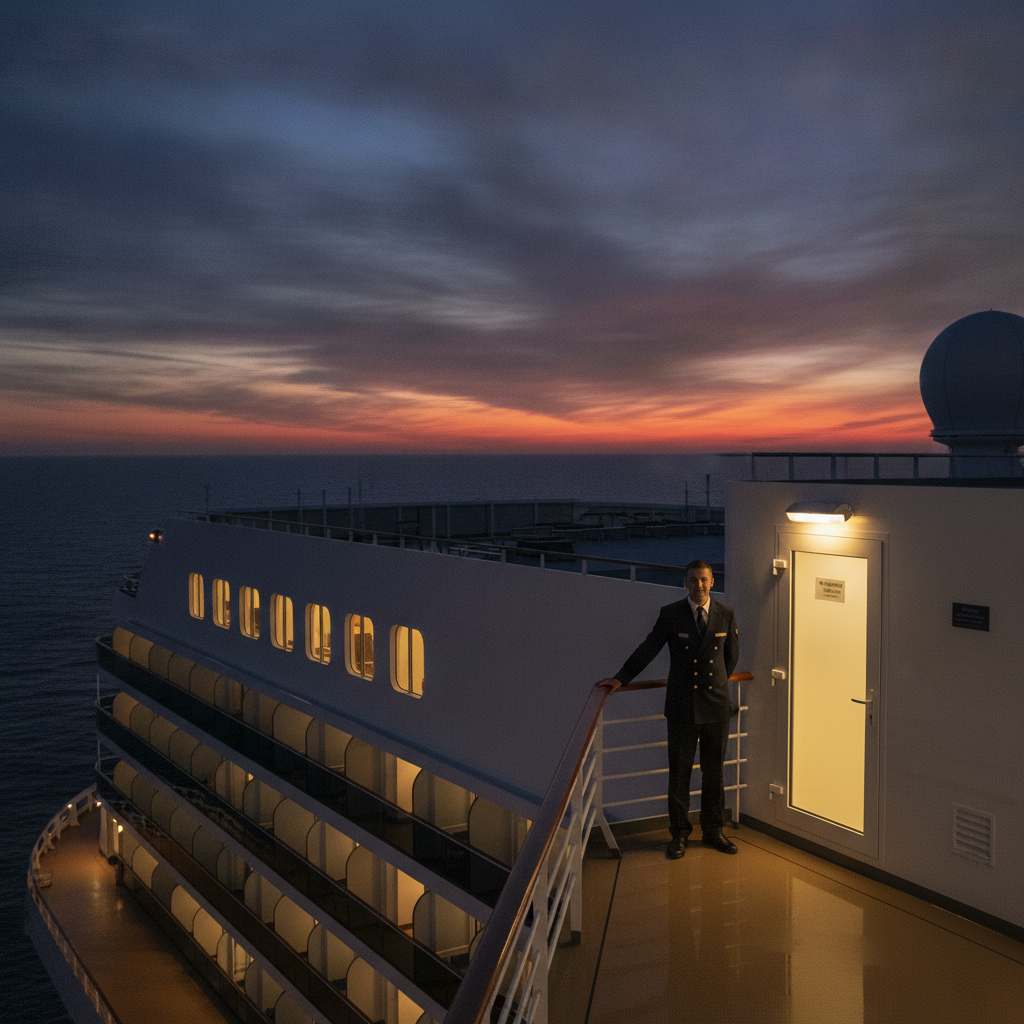
Picture this: you are halfway through a seven-night sailing when something goes seriously wrong. Maybe your belongings vanish from a locked cabin, a stranger assaults you in a stairwell, or a travel companion goes missing after a late night. You are hundreds of miles from the nearest police station, and the people you would normally call for help do not exist out here. So who do you tell, and what is the ship legally required to do with that information? That gap between what passengers expect and what actually happens is where many people get hurt twice, first by the incident and then by the confusion that follows. A cruise ship negligence lawyer can tell you that the rules governing crime reporting at sea are a patchwork of federal statutes, maritime customs, and company policies that rarely get explained at the muster drill.
This guide walks through what passengers should understand before they ever board. We will look at who has authority over a crime committed at sea, what cruise lines must report and to whom, how fast you need to act, and what evidence tends to matter later. We will also cover the practical steps that protect your options if something does happen. Nothing here replaces advice about your specific situation, but knowing the basics can keep a bad moment from becoming a worse one. Think of it as the safety briefing nobody gives you, written in plain language so you can use it.
Why Crime at Sea Works Differently Than Crime on Land
On land, a crime prompts a call to local police, an officer arrives, and a report is written. At sea, there is no patrol car and no precinct. The ship itself is a closed environment, and the first people to respond are usually security officers employed by the cruise line, not independent law enforcement. That distinction matters enormously, because the same company that sold you the vacation is often the one deciding how an incident gets documented in the first hours.
Jurisdiction adds another layer. A vessel flying a foreign flag, sailing in international waters, with a crew from dozens of countries and passengers from many more, creates real questions about whose laws apply. Many large cruise lines operate from the Port of Miami and elsewhere in South Florida, yet the ships themselves may be registered abroad. Passengers who want to understand how these claims typically unfold can read more about the way maritime injury and misconduct matters are handled for sailings that leave from this region.
The Federal Law That Created Reporting Duties
For years, passengers had little visibility into how often serious crimes occurred on cruise ships. Congress responded with a federal law aimed at improving safety and transparency for cruise travelers. In broad terms, it requires certain cruise lines that call on U.S. ports to report specified categories of serious incidents to federal authorities, including allegations of homicide, suspicious disappearances, kidnapping, assault with serious injury, sexual assault, and significant thefts above a set threshold.
The law also pushed for practical safeguards. Vessels are expected to have security guidance for passengers, video surveillance in appropriate areas, and certain safety features such as peepholes and door locks designed to reduce risk. Crew members are supposed to be trained to preserve evidence after a reported crime. The details of how these requirements are applied can vary, so passengers should not assume every protection is in place on every ship. What matters most is knowing that reporting obligations exist, that they have limits, and that they do not guarantee the outcome you might hope for.
What Cruise Lines Must Report and to Whom
When a covered incident is reported to the ship, the company generally has to notify federal authorities, commonly the FBI and the Coast Guard, as soon as practicable. The idea is that investigators with real law enforcement powers get involved quickly, ideally before evidence disappears or the vessel moves on. Cruise lines also publish periodic statistics about reported incidents, which gives the public a rough picture of what is happening across the industry.
It helps to understand what falls outside those obligations. Lower-level offenses, certain thefts under the threshold, and conduct that does not rise to a listed category may never trigger a federal notice. That does not mean the incident did not happen or that you have no remedy. It means the paper trail may start and stop with the ship. Passengers who face an injury connected to an incident often benefit from a broader view of their legal options, and you can learn more here about how personal injury claims are evaluated more generally before deciding what steps to take.
Who Actually Has Authority at Sea
Authority depends on where the ship is, what flag it flies, and who is involved. Inside a country’s territorial waters, that country’s laws and police generally apply. In international waters, the flag state of the vessel typically governs, though the United States can assert jurisdiction when its citizens are victims or perpetrators, or when a voyage starts or ends at a U.S. port. In practice, that means an assault on an American passenger aboard a cruise leaving a U.S. harbor can fall within federal reach.
The ship’s captain holds significant power on board and is responsible for maintaining order and safety. Captains can restrict a suspect’s movement, hold evidence, and decide what gets communicated to authorities and when. This concentration of control is one reason passengers should not rely solely on the cruise line to drive the investigation. When the captain, the security team, and the company all work for the same employer, independence is not guaranteed, and passengers should think carefully about documenting their own account.
How to Report an Incident While You Are Still Aboard
The first step is to tell ship personnel immediately, and to do it in a way you can prove later. Go to the guest services desk, the ship’s security office, or the medical center if you are injured. Ask for a written incident report and request a copy before you leave the desk. If they refuse or stall, note the time, the name of the person you spoke with, and what was said.
Beyond the ship’s own channels, you can also contact federal authorities yourself. The FBI accepts reports about crimes on cruise ships, and you do not have to wait for the cruise line to do it for you. Many passengers worry that reporting will ruin the rest of the trip or that they will be isolated from their group. Cruise lines typically have procedures meant to keep victims safe, but you can also ask to be moved to a different cabin or to have a companion stay with you. Your priority is safety first, documentation second, and the vacation a distant third.
Preserving Evidence Before the Ship Docks
Evidence at sea can vanish fast. Surveillance footage may be overwritten on a rolling schedule, cabins get cleaned and re-let at the next port, and witnesses disembark and scatter across the globe. Passengers who want a case to remain viable should act as though the clock is running from the moment the incident occurs.
- Photograph injuries, damaged property, and the scene as soon as it is safe to do so.
- Write down names, cabin numbers, and descriptions of anyone involved or nearby.
- Ask the ship in writing to preserve relevant camera footage and key card logs.
- Keep copies of every document you are given or asked to sign.
- Save receipts, messages, and any medical paperwork from the onboard clinic.
A timely written preservation request does not guarantee the footage still exists, but it can make it harder for a company to claim later that it never knew the material mattered.
Quick Reference: Common Incidents and Reporting Steps
Different situations call for different first moves. The table below offers a general overview of how common scenarios tend to be handled. It is a starting point, not a legal checklist, and your circumstances may require something different.
| Situation | Who to Tell First | Typical Federal Involvement |
|---|---|---|
| Physical assault with injury | Security and medical center | Often reportable to the FBI |
| Sexual assault | Security, medical, and a trusted crew member | Reportable category |
| Missing passenger | Guest services and the bridge | Reportable category |
| Significant theft | Security desk | Depends on value threshold |
| Minor theft or harassment | Guest services | Often none required |
The Time Limits Hidden in Your Ticket
Reporting a crime and preserving a legal claim are two separate things, and the second has deadlines that catch many passengers off guard. Cruise tickets are contracts, and they commonly contain short notice windows and filing deadlines that are far tighter than what you would face after an ordinary accident on land. Some require written notice of a claim within months, and the period to file suit can be as short as a year.
Ticket terms may also dictate where a lawsuit can be filed and how disputes are handled. Because these provisions vary from line to line and from ticket to ticket, passengers should read the contract or have someone review it, ideally before problems arise and certainly soon after. Missing a deadline can end a claim no matter how strong the underlying facts are. If something has happened to you or someone traveling with you, treat the paperwork as urgent, not as an afterthought to deal with once you are home and rested.
When Poor Reporting Becomes a Negligence Question
A crime committed by another person does not automatically make the cruise line responsible, but the way the company prepared for and responded to risk can. Negligence questions often focus on whether the line had adequate security staffing, whether cameras covered known problem areas, whether crew were trained to respond, and whether warnings about foreseeable dangers were given. A failure to follow its own policies can also matter.
Delay and mishandling after an incident can be just as important. If crew members failed to secure a cabin, discouraged a passenger from reporting, lost footage, or waited too long to notify authorities, those lapses may become part of the story. A cruise ship negligence lawyer will typically look at the full timeline, from the conditions that existed before the event to the choices made afterward. The goal is to understand whether the company’s conduct contributed to the harm or made it worse.
Staying Safe Before Trouble Starts
Prevention is far easier than recovery. Treat a ship like any unfamiliar city. Use the cabin safe, keep doors locked, and avoid isolated areas late at night. Be cautious with strangers who seem overly interested in your plans, and keep an eye on friends and family members when alcohol is involved, since many incidents occur during late-night socializing.
Learn where the security office and medical center are on your first day. Save the ship’s emergency numbers in your phone, and share your itinerary and cabin details with someone at home. If you travel with children or teenagers, set clear check-in times. None of this guarantees safety, and blame never belongs on the victim, but a little planning can shorten response time if something goes wrong. Awareness of how reporting works at sea is a form of protection, much like knowing where the lifeboats are.
Related Risks Passengers Often Overlook
Crime is only one of several ways a vacation can turn into a legal problem. Passengers sometimes forget that the ordinary rules of accountability reach beyond the ship. Workers, visitors, and residents in the port communities where cruises begin and end face their own hazards, and the legal principles behind those claims often overlap with maritime ones. For example, understanding Workplace Accident Injuries in Miami: When a Third-Party Lawsuit May Be Available can help crew members and dockworkers recognize when someone other than an employer may bear responsibility.
The same mindset applies to other everyday dangers in and around the region. If you spend time in port neighborhoods before or after your sailing, it is worth knowing how liability works for hazards on land, such as animal attacks, which are covered in Dog Bite Injuries in Miami: When Florida’s Strict Liability Rule Applies. Being informed about your rights in one setting tends to make you more alert in every other.
After You Disembark: Next Steps
Once the ship returns to port, the situation shifts. Photos you did not take at the time cannot be recreated, but there is still a great deal you can do. Seek medical attention right away if you were hurt, even if symptoms seem minor, and keep every record. Follow up in writing with the cruise line about the incident, and note any reference numbers you were given.
If federal authorities were notified, ask for the agency and any case contact information. Gather your ticket contract, itinerary, receipts, and names of witnesses in one place. Resist the urge to post detailed accounts on social media, since public statements can be used later in ways you do not expect. Speaking with an attorney who understands maritime matters early on can help you meet notice requirements and avoid steps that unintentionally weaken your position. Acting promptly is the single most useful habit after a serious incident at sea.
The Bottom Line
Crime reporting at sea is not as simple as dialing a number and waiting for an officer to arrive. Federal law requires cruise lines to report certain serious incidents, but the categories are limited, the ship controls much of the early response, and the paper trail can be thinner than passengers expect. Knowing who has authority, what must be reported, and how to document your own account puts you in a stronger position if something goes wrong.
The most important lessons are practical. Report immediately and in writing, ask for copies, preserve every scrap of evidence you can, and pay close attention to the deadlines hidden in your ticket contract. Do not assume the cruise line will protect your interests, and do not wait for someone else to start the process. If you or someone you love has been harmed, a cruise ship negligence lawyer can review the facts, explain how the rules apply to your sailing, and help you decide what to do next. A little preparation before you board, and quick action afterward, can make the difference between a claim that survives and one that never gets off the dock.

bicouser
Latest posts by bicouser (see all)
- Cabin and Balcony Accidents on Cruise Ships: Who May Be Responsible? - November 20, 2026