English
 Arabic
 Chinese (Simplified)
 Dutch
Dutch French
 German
 Italian
 Portuguese
 Russian
 Spanish
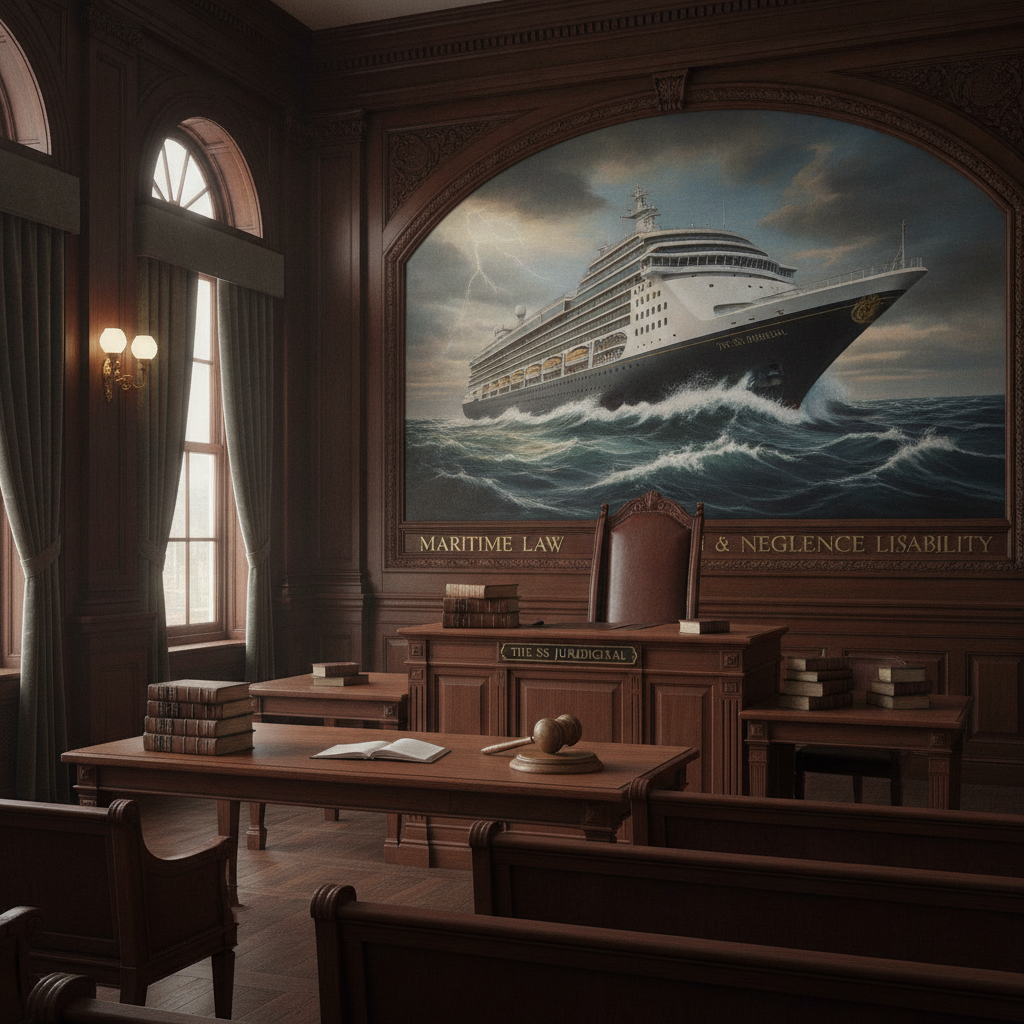
Cruise vacations promise relaxation, adventure, and a break from the everyday, but what happens when a dream trip turns into a nightmare because of an accident or injury? Many travelers are surprised to discover that cruise lines try to limit their liability for negligence through the fine print in their tickets. However, what most people, and even some small business owners and developers, don’t realize is that federal law draws a hard line: cruise companies cannot simply waive away their responsibility when their own carelessness causes harm. If you’ve ever wondered how the law protects passengers from cruise ship negligence, or if you’re a business owner curious about legal risk and consumer rights, this deep dive will clarify where cruise lines’ ticket clauses end and federal protections begin. Understanding the role of a Cruise Ship Negligence Lawyer is crucial for anyone who wants to hold cruise operators accountable and ensure that justice isn’t lost at sea. In this article, we’ll explore the legal landscape, the limits of ticket waivers, and how federal maritime law shields passengers from unfair contract terms.
Why Cruise Tickets Try to Limit Liability
Most cruise passengers don’t read the fine print on their tickets. Buried in the legalese, you’ll often find clauses that try to limit the cruise line’s responsibility for injuries, property loss, or even death. These waivers are designed to protect the company’s bottom line. But why do cruise lines rely so heavily on these limitations?
Cruise operators face unique risks. Ships are floating cities with thousands of guests, unpredictable weather, and complex international operations. To manage these risks, cruise lines use ticket contracts to set boundaries on what they’ll pay if something goes wrong. These contracts often include:
- Time limits for filing claims
- Caps on damages
- Venue selection clauses (requiring lawsuits in a specific location)
- Waivers of liability for certain types of injuries
For small business owners and developers, this approach is familiar: contracts often try to shift or limit risk. But unlike many land-based agreements, cruise ticket clauses bump up against federal maritime law. That’s where the expertise of the Goss Law Firm comes into play, helping passengers understand which parts of the contract are enforceable, and which are not.
The Federal Law That Protects Cruise Passengers
Federal maritime law governs most legal disputes that arise on the high seas. One of its most important protections for passengers is the prohibition against waiving liability for negligence. In plain English, this means that cruise lines cannot contract away their duty to act reasonably and safely.
The United States Congress and the courts have made it clear: when a cruise line’s own negligence causes harm, no amount of fine print can erase their responsibility. This principle is rooted in public policy, allowing companies to escape liability for careless conduct would undermine safety standards and put passengers at risk.
For those seeking a personal injury lawyer in Miami FL, understanding this federal protection is key. Even if a ticket says you can’t sue for negligence, federal law says otherwise. This legal safeguard ensures that cruise lines are held to a standard of care, and that passengers have real recourse when things go wrong.
How Negligence Differs from Other Cruise Claims
Not all cruise ship injuries are treated the same under the law. Understanding the difference between negligence and other types of claims, like intentional acts or contract disputes, can make or break a case. Negligence occurs when a cruise line fails to act with reasonable care, resulting in harm to a passenger. Common examples include:
- Slippery decks not properly maintained
- Poorly trained staff causing accidents
- Inadequate security leading to assaults
Other claims, like breach of contract or intentional misconduct, may be subject to different legal standards. Importantly, federal law specifically blocks cruise lines from using ticket clauses to waive liability for their own negligence, but it may allow waivers for other types of claims. This distinction is crucial for anyone considering legal action after a cruise injury.
If you’re unsure what kind of claim you have, consulting a Cruise line negligence lawyer Miami FL can help you navigate the maze of maritime law and maximize your chances for a successful outcome.
Ticket Clauses That Don’t Hold Up in Court
Cruise lines routinely include broad waivers and disclaimers in their ticket contracts, but not all of these terms are enforceable. Courts often strike down clauses that attempt to waive liability for negligence, especially when they conflict with federal maritime law or public policy.
For example, a ticket might state that the cruise line is not responsible for any injury, regardless of the cause. However, if a passenger is hurt because the company failed to maintain safe walkways, that waiver will likely be deemed invalid. The law is clear: cruise operators cannot escape accountability for their own carelessness.
This principle extends beyond just negligence. Courts may also refuse to enforce ticket clauses that are ambiguous, hidden in fine print, or presented in a way that passengers couldn’t reasonably understand. The result? Many waiver provisions are struck down when challenged in court. For a deeper look at how slip and fall incidents are handled locally, see When a Slip and Fall in Miami Becomes a Premises Liability Case.
Passenger vs. Crew Claims: Understanding the Difference
It’s important to recognize that legal protections differ for passengers and crew members. While federal law prohibits cruise lines from waiving negligence liability for passengers, the rules for crew claims are governed by different statutes and doctrines, such as the Jones Act.
Passengers benefit from strong federal protections that prevent cruise lines from escaping responsibility for careless conduct. Crew members, on the other hand, have their own set of rights and remedies, including the ability to sue for negligence under specific maritime laws. The legal landscape is complex, and the type of claim, passenger versus crew, determines which laws apply and what defenses the cruise line can use.
For a comprehensive comparison, check out Passenger vs. Crew Claims: Who Can Be Held Liable for Cruise Ship Negligence? to see how liability is divided and what it means for your rights after an injury at sea.
The Role of a Cruise Ship Negligence Lawyer
Navigating the intersection of federal law and cruise ticket contracts isn’t easy. That’s where a Cruise Ship Negligence Lawyer adds value. These legal professionals understand the nuances of maritime law, the limitations of ticket clauses, and the strategies cruise lines use to defend against claims.
A skilled lawyer will:
- Analyze the ticket contract and identify unenforceable waivers
- Gather evidence of the cruise line’s negligence
- File claims within the strict timeframes set by law
- Negotiate settlements or take the case to trial if necessary
For small business owners and developers, this is a reminder that legal expertise is critical when contracts and federal law collide. Even if a cruise line tries to limit its liability, a knowledgeable lawyer can often break through those barriers and secure compensation for injured passengers.
Common Myths About Cruise Ship Liability
There are plenty of misconceptions about what cruise lines can and cannot do when it comes to liability. Let’s debunk a few of the most persistent myths:
- Myth: “If my ticket says I can’t sue, I have no case.”
Fact: Federal law overrides ticket waivers for negligence. - Myth: “All injuries on a cruise are treated the same.”
Fact: The law distinguishes between negligence, intentional acts, and contract disputes. - Myth: “I have plenty of time to file a claim.”
Fact: Cruise contracts often set short deadlines, but federal law may provide additional protections. - Myth: “Only passengers are protected by federal law.”
Fact: Crew members have separate rights under maritime statutes.
Understanding these realities is essential for anyone considering legal action after a cruise injury. Don’t let myths or intimidating contract language stop you from seeking justice.
How Courts Decide If a Waiver Is Enforceable
When a dispute arises, courts look closely at the language and presentation of ticket waivers. Several factors can determine whether a clause will be enforced or struck down:
- Clarity: Is the waiver written in plain language?
- Visibility: Is it easy for passengers to find and understand?
- Scope: Does it attempt to waive liability for negligence?
- Consistency: Does it conflict with federal law or public policy?
If a waiver is buried in fine print or written in confusing terms, courts are less likely to enforce it. Even a clearly written waiver cannot override federal protections against negligence liability. This judicial scrutiny helps level the playing field for passengers and ensures that cruise lines can’t hide behind unfair contract terms.
A Closer Look: Federal Law vs. Cruise Ticket Terms
To better understand how federal law interacts with cruise ticket clauses, let’s compare some of the most common provisions and their enforceability:
| Ticket Clause | Typical Purpose | Court’s Likely Response |
|---|---|---|
| Waiver of Negligence Liability | Limit cruise line’s responsibility for careless acts | Usually unenforceable under federal law |
| Venue Selection | Require lawsuits in a specific court | Often enforceable if clearly presented |
| Time Limit for Claims | Shorten the period to file a lawsuit | Enforceable if reasonable and not contrary to law |
| Limitation on Damages | Cap the amount of compensation | Depends on clarity and fairness |
This table highlights that not all ticket clauses are created equal. The most important takeaway: federal law stands as a shield against attempts to waive negligence liability, protecting passengers even when the fine print says otherwise.
Practical Steps After a Cruise Ship Injury
If you or someone you know is injured on a cruise, it’s important to act quickly and strategically. Here’s what you should do to protect your rights:
- Report the incident to ship staff and request a written report
- Take photographs of the scene and your injuries
- Collect contact information for witnesses
- Review your ticket contract, but don’t assume all waivers are valid
- Contact a qualified lawyer as soon as possible
Remember, the clock may be ticking. Some cruise contracts set short deadlines for filing claims, but federal law may give you additional time or rights. Don’t let intimidating legal language or aggressive cruise line tactics prevent you from seeking fair compensation.
Why This Matters for Small Business Owners and Developers
While this topic may seem specific to cruise passengers, the lessons extend to anyone who deals with contracts and risk management. Small business owners and developers regularly encounter waiver clauses in construction, leasing, and service agreements. Understanding the limits of these waivers, especially when public safety is at stake, can inform your own business practices.
Federal law’s refusal to allow cruise lines to waive negligence liability sends a clear message: some responsibilities cannot be signed away. Whether you’re drafting contracts or reviewing agreements, remember that courts are skeptical of clauses that undermine basic duties of care. Taking a proactive approach to safety and transparency not only protects your customers but also shields your business from costly legal disputes.
By learning from the cruise industry’s legal battles, you can better navigate your own contractual relationships and avoid pitfalls that could expose your company to unnecessary risk.
Key Takeaways
Cruise lines may try to protect themselves with complex ticket clauses, but federal law stands as a powerful safeguard for passengers. No matter how detailed or intimidating the fine print, cruise companies cannot waive away their duty to act with reasonable care. If you’re injured due to a cruise line’s negligence, you have rights that cannot be erased by contract.
For small business owners, developers, and general readers, the message is clear: always question broad waiver clauses, especially when they attempt to limit core responsibilities. And if you ever find yourself facing a cruise ship injury, don’t hesitate to consult a Cruise Ship Negligence Lawyer who understands the intersection of ticket contracts and federal maritime law. Your safety, and your right to fair compensation, deserve nothing less.

bicouser