English
 Arabic
 Chinese (Simplified)
 Dutch
 French
 German
 Italian
 Portuguese
 Russian
 Spanish

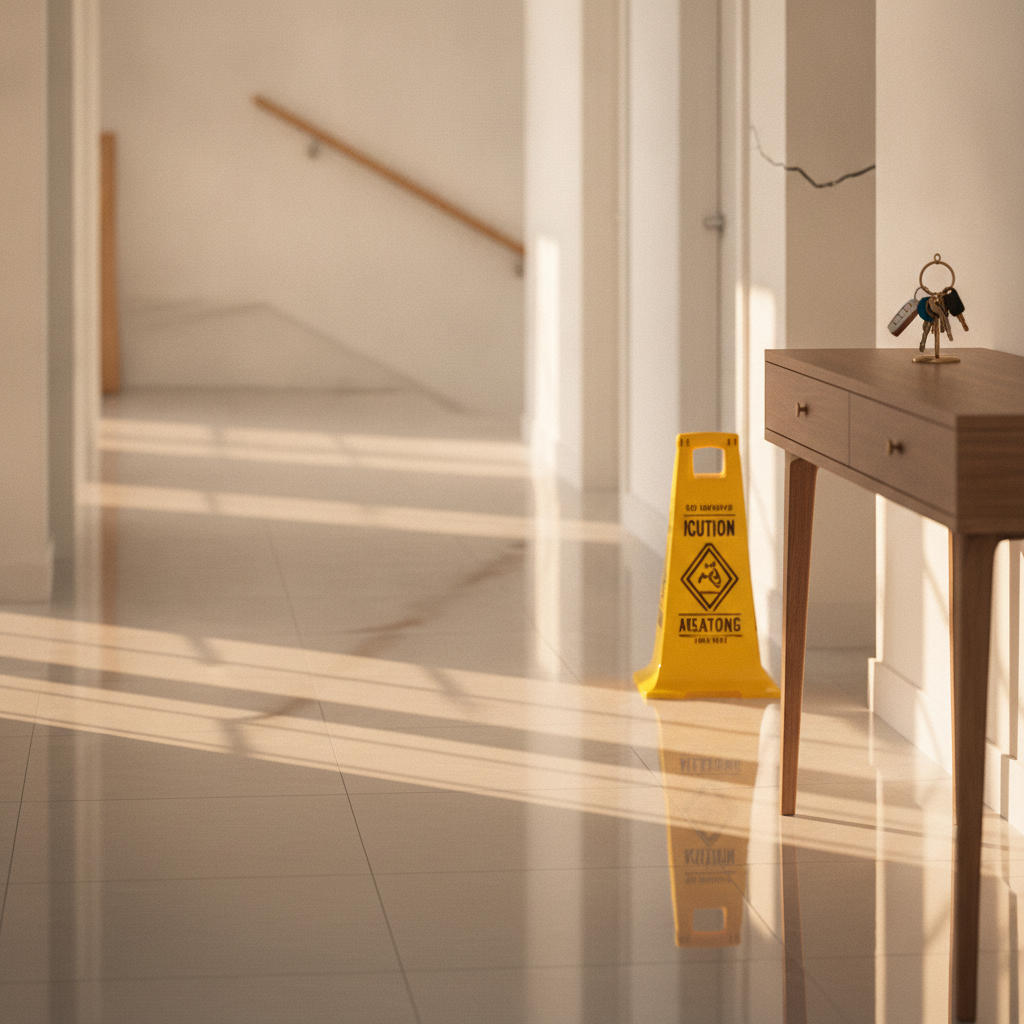
You step out of your apartment on a rainy morning, grab the stair railing, and it wobbles loose in your hand. Seconds later you are at the bottom of the stairwell with a broken wrist and a lot of questions. Who is responsible? Is it you, the tenant? The property manager? The owner who has never set foot in the building? Many renters assume that because they signed a lease, they accepted every risk that comes with the unit. That assumption is often wrong. A slip and fall lawyer Miami tenants consult will tell you that a landlord’s legal duties do not end when the lease is signed, and that responsibility for an injury depends on who controlled the space, what the landlord knew, and what was done about it.
This guide is written for small business owners who lease space to others, developers who manage residential or mixed-use buildings, and everyday renters who want to understand where they stand. We will walk through the difference between common areas and private units, what notice really means, how lease language and repair requests matter, and how insurance and shared responsibility can shape what happens next. We are not covering every topic here. Instead, we focus on the landlord-tenant relationship itself, because rental properties raise questions that a store or restaurant fall does not. By the end, you should have a clear picture of when a landlord may be on the hook and what steps protect your rights.
A Landlord’s Basic Duty Toward Tenants and Visitors
Under Florida law, a landlord is not an insurer against every accident. The duty is narrower than that. Generally, an owner who rents out property must keep the areas under their control reasonably safe and must fix or warn about dangers they know about or should have discovered through reasonable inspection. That duty runs to tenants and, in many cases, to guests, delivery drivers, and other lawful visitors.
What makes rentals different is the split of control. Once a tenant takes possession of a unit, the tenant often controls the inside. The landlord keeps control of shared spaces and structural elements. That division drives most liability questions. If you slipped on a spill inside your own kitchen, the landlord is rarely responsible. If you fell on a cracked walkway the owner never repaired, the analysis changes. A premises liability claim for Miami rental property usually begins with one question: who had the practical ability to prevent this hazard?
Common Areas Versus Inside the Unit
Common areas are the clearest source of landlord exposure. These are the spaces shared by multiple tenants or open to the public: lobbies, hallways, stairwells, elevators, parking lots, pool decks, laundry rooms, courtyards, and walkways. Because the landlord keeps control of them, courts expect the landlord to maintain them, clean them, light them, and repair them in a reasonable time.
Inside a leased unit the picture is more mixed. Florida’s residential landlord-tenant statute generally requires a landlord to keep structural components in good repair, including roofs, floors, steps, and plumbing, and to make reasonable provisions for things like running water. So a rotted floorboard or a leaking roof that causes a fall can still point back to the owner, even inside the apartment. What the landlord usually is not responsible for are hazards the tenant created, such as spilled liquids, clutter, or a loose rug the tenant bought. Knowing which category your fall belongs to is the first step toward understanding whether a claim is realistic.
Actual Notice, Constructive Notice, and Why They Matter
A landlord is typically liable only when they knew, or reasonably should have known, about a dangerous condition and failed to act. Lawyers describe this as actual notice and constructive notice. Actual notice is straightforward: a tenant emailed, called, or texted about the problem, or a maintenance worker saw it. Constructive notice is subtler. It means the hazard existed long enough, or was the kind of recurring problem, that a careful owner would have found it during routine inspection.
Consider a leaking pipe above a hallway that has dripped for weeks, leaving a slick patch and a stained ceiling. Nobody filed a complaint, but the damage was visible to anyone who looked. A landlord who never inspected can still be treated as having constructive notice. On the other hand, a puddle that formed five minutes before you stepped in it may not give the landlord a fair chance to respond. A Miami FL slip and fall attorney will spend real time on this timeline because it often decides the whole case.
What Your Lease Can and Cannot Do
Leases are full of language that sounds like it shifts all risk to the tenant. Clauses saying the tenant accepts the premises “as is,” or releases the landlord from claims for injury, show up in many standard forms. Renters often read them and assume the matter is settled. In practice, the enforceability of these clauses is far from automatic.
Florida’s residential landlord-tenant statute limits how far a landlord can contract away basic duties, and courts generally look hard at broad releases that try to excuse a landlord’s own negligence. Commercial leases are treated differently. Business owners who lease storefronts or offices often negotiate allocation of repair duties, maintenance responsibilities, and indemnity, and those negotiated terms carry more weight between sophisticated parties. If you are a small business tenant, the lease may say you are responsible for the sidewalk in front of your suite, which changes who answers for a customer’s fall. The takeaway is simple: read the maintenance and indemnity sections carefully, because the wording can move liability from one party to another.
Ignored Repair Requests and Written Complaints
Few facts help an injured tenant more than a paper trail showing the landlord was told about a hazard and did nothing. A text asking someone to fix a broken stair tread, a portal ticket about a flickering stairwell light, or a certified letter about a leaking balcony all establish actual notice and show how long the problem lingered.
If you are a tenant, put repair requests in writing whenever you can and keep screenshots. Verbal requests are easy to deny later. Note dates, the name of anyone you spoke with, and what was promised. If you are a landlord or property manager, the same records protect you. A documented, prompt response shows reasonable care and can defeat an allegation of neglect. This area also overlaps with the broader field of Personal Injury law, where the quality of your documentation often outweighs memory. Photos with timestamps, maintenance logs, and email chains all help reconstruct what the owner knew and when. Gaps in those records can be just as telling as the records themselves.
Hazards That Commonly Lead to Rental Property Falls
Certain defects show up again and again in tenant injury cases. Recognizing them can help owners prevent harm and help tenants spot a problem worth reporting before someone gets hurt.
- Loose, cracked, or uneven stair treads and landings
- Missing, wobbly, or too-low handrails and balcony railings
- Dim or burned-out lighting in stairwells, hallways, and parking areas
- Water intrusion from roof leaks or plumbing that pools on walkways
- Torn carpet, lifted tile, or buckled flooring in shared hallways
- Algae and slick residue on pool decks and outdoor steps
- Potholes, broken curbs, and heaved sidewalk slabs in parking lots
South Florida’s humidity, heavy rain, and aging building stock make several of these especially common. Water and moisture speed up wear on exterior stairs and walkways, so inspection schedules matter more here than in drier climates.
Management Companies, Owners, and Associations
One surprise for many injured renters is how many parties may share responsibility. The name on the lease is not always the only one who can be held accountable. Depending on the property, liability might extend to the individual owner, a property management company, a maintenance contractor, a security vendor, or a condominium or homeowners association that controls the shared areas.
Each of these parties may have its own insurance and its own contractual duties. A management company that was paid to inspect and repair common areas may owe a duty that mirrors the owner’s. A contractor who performed a sloppy repair on a staircase may be responsible for the defect they created. For developers and small business owners who hire third parties to manage their buildings, this matters on both sides: delegating tasks does not always delegate liability, and contracts should spell out who handles inspections, who carries insurance, and who indemnifies whom. Identifying every responsible party early prevents a claim from stalling when one defendant points a finger at another.
Quick Comparison: Who Is Usually Responsible
The table below offers a general overview of how responsibility often breaks down. It is a guide, not a guarantee, since every property and every lease is different.
| Location of the Fall | Who Usually Controls It | Likely Responsibility |
|---|---|---|
| Shared stairwell or hallway | Landlord or association | Landlord, if the hazard was known or discoverable |
| Parking lot or sidewalk | Owner, manager, or commercial tenant by lease | Depends on maintenance clause |
| Balcony or exterior steps | Landlord for structure | Landlord for structural defects |
| Inside the rented unit | Tenant, for daily conditions | Landlord only for structural or ignored repairs |
| Pool deck or laundry room | Landlord or association | Landlord, based on upkeep and warnings |
When the Tenant Shares Some of the Blame
Even when a landlord was careless, the injured person’s own conduct can affect the outcome. Florida applies a modified comparative negligence approach to many injury claims, which means an injured person’s share of fault can reduce, and in some situations eliminate, what they can recover. A landlord’s lawyer may argue that you were distracted, wearing unsafe footwear, carrying something that blocked your view, or ignored an obvious warning.
In the rental setting, a common defense is that the danger was open and obvious. If a tenant walked past a visibly broken step every day for months, the owner may claim the tenant should have avoided it. That argument does not always succeed, especially when the tenant had no practical alternative route, but it shows why the details matter. Be honest and thorough when you describe what happened. Small inconsistencies can be used to cast doubt, while a clear account backed by photographs and witnesses tends to carry weight. Understanding how fault is divided helps you set realistic expectations before negotiations begin.
Insurance Coverage and Medical Bills After a Fall
After an injury, the practical question is often how to pay for treatment while liability is sorted out. Landlords typically carry liability insurance, and many tenants carry renter’s policies that include some medical payments coverage regardless of fault. Health insurance may cover care in the meantime, though your insurer may later seek reimbursement from any settlement.
Fall injuries that happen in a vehicle, such as slipping while getting out of a car in a parking structure, can bring a different coverage system into play. For background on how that works, see Florida PIP Insurance After a Miami Car Accident: What Injured Drivers Need to Know. Keep every medical record, bill, and receipt, and follow your doctor’s treatment plan. Gaps in care give insurers room to argue the injury was minor or unrelated. Be careful with recorded statements to a landlord’s insurer before you understand your rights, since casual comments can be quoted back later.
Steps Tenants and Owners Can Take Right Now
If you are an injured tenant, get medical attention first, then report the fall to the landlord or manager in writing. Photograph the hazard, the surrounding area, and your injuries before anything is repaired. Collect names and numbers of witnesses, and avoid posting about the incident online. Time limits apply to injury claims, so do not wait long to get advice. Some situations that involve travel, such as injuries on a vessel, follow entirely different rules, as explained in The Medical Malpractice Twist: When Cruise Ship Doctors’ Errors Become the Line’s Negligence, so make sure you understand which legal framework applies to your situation.
If you are an owner or manager, build a simple routine: schedule documented inspections of stairs, railings, lighting, and walkways, respond to repair requests quickly, post warnings when a fix will take time, and keep your insurance current. Prevention costs far less than a claim, and good records are your best protection.
Final Thoughts
A landlord is not automatically responsible every time someone falls on rental property, but there are plenty of situations where responsibility is real. The pattern is consistent. Liability is most likely when the hazard sat in an area the owner controlled, when the owner knew or should have known about it, and when a reasonable response was never made. Common areas, structural defects, ignored repair requests, and neglected maintenance are the usual ingredients. Inside a private unit, the tenant carries more of the load, though structural problems and unfixed hazards can still point back to the landlord.
Just as important is what happens afterward. Documentation wins or loses these cases. Written repair requests, timestamped photographs, medical records, and witness information turn a vague story into a provable one. Lease language, shared fault, and the number of parties involved all add layers, which is why the answer is rarely a simple yes or no. If you are a tenant, protect yourself by reporting hazards promptly and keeping records. If you own or manage property, treat inspections and repairs as routine business practice rather than an afterthought.
If you were hurt in a rental building in South Florida, speaking with an experienced slip and fall lawyer Miami residents rely on can help you understand your options before deadlines pass and before evidence disappears. A careful review of the lease, the property history, and the circumstances of your fall is the best way to learn whether a claim makes sense. You do not have to figure it out alone, and acting early gives you the strongest footing.

bicouser