English
 Arabic
 Chinese (Simplified)
 Dutch
 French
 German
 Italian
 Portuguese
 Russian
 Spanish

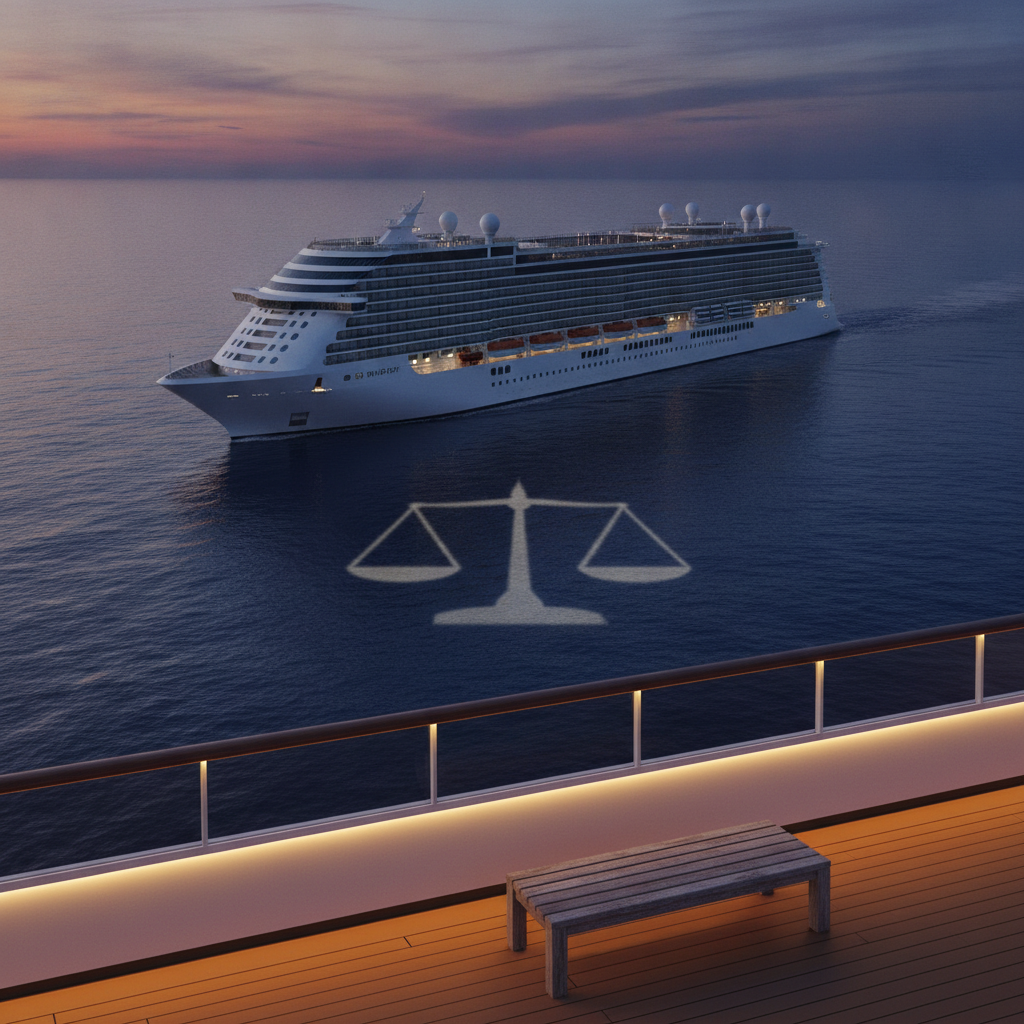
A cruise is sold as a carefree escape, and most passengers board expecting nothing more serious than sunburn or a missed excursion. Sadly, sexual assault does happen at sea, and survivors often discover that the usual rules of recourse feel very different once a ship has left port. There may be no local police station down the hall, no nearby hospital, and no easy way to separate yourself from the person who hurt you. Meanwhile, the company that sold you the ticket controls the crew, the cameras, the cabin keys, and most of the evidence. If you are exploring your options, a cruise ship negligence lawyer can help you understand whether the cruise line failed in its duty to keep passengers reasonably safe. This article walks through what the law generally asks of cruise lines, what kinds of failures can support a claim, what evidence matters most, and how survivors can protect their rights while they heal. It is written for general readers who want clear information, not legal jargon. Every situation is different, and nothing here replaces advice about your specific facts, but understanding the landscape is a meaningful first step toward making informed choices.
Why Assault at Sea Raises Unique Legal Questions
When an assault happens on land, survivors can usually call local police, visit a nearby clinic, and rely on a familiar court system. A cruise ship changes almost every part of that picture. The vessel may be sailing in international waters, flying a foreign flag, and staffed by crew members from dozens of countries. Jurisdiction can depend on the ship’s location, the nationality of those involved, and the terms printed on the ticket. Passengers also live in a closed environment where the company controls access, security, and information. That control is exactly why the law treats a cruise line as having a special responsibility toward the people on board. Maritime law generally expects a carrier to exercise reasonable care under the circumstances, which can include screening and supervising crew, controlling alcohol service, and responding quickly when a passenger reports danger. Understanding these basics helps survivors see that a claim is not simply about the person who committed the act. It can also examine whether the company did enough to prevent foreseeable harm. For a broader look at how these matters are handled, you can read more about cruise line claims.
The Standard of Care Cruise Lines Owe Passengers
Under general maritime principles, a cruise line owes passengers a duty of reasonable care. That phrase sounds simple, but it carries real weight. It does not make the company an insurer of every passenger’s safety, and a cruise line is not automatically responsible for every bad event. Instead, the question is whether the company knew, or should have known, about a risk and failed to take sensible steps in response. Courts often look at whether a dangerous situation was foreseeable. If a ship had prior reports of misconduct by a particular crew member, or if security staffing was thin during late-night hours in crowded areas, those facts may bear on foreseeability. The standard also applies to how a cruise line reacts after an incident is reported. Delayed responses, discouraging a passenger from filing a report, or failing to separate the accused from the survivor can all become part of the analysis. Because the duty is tied to the circumstances, two cases can come out very differently. That is why a careful review of the ship’s practices, staffing, and warnings matters more than any single headline fact, and why early legal guidance can help shape which questions get asked first.
Crew Hiring, Screening, and Supervision Failures
One of the most important areas of review involves who the cruise line puts on its ships. Crew members often have keys, cabin access, and positions of trust, such as stewards, bartenders, and fitness staff. If a company hires someone without adequate background checks, ignores earlier complaints, or fails to supervise employees who interact closely with passengers, that conduct can support a negligence theory. Hiring through third-party agencies in other countries can make screening inconsistent, and a lack of consistent records is not a defense. Supervision matters as much as hiring. A ship should have rules about when and how employees enter passenger cabins, and it should enforce them. Policies that exist only on paper do little good if nobody follows them. Investigators may ask whether the accused crew member had a history of similar complaints, whether managers were told, and whether any corrective action followed. Training is another piece. Staff should know how to recognize warning signs and how to respond when a passenger asks for help. When these systems fail, the harm may trace back to a decision made long before the passenger ever stepped aboard. Learning more about cruise line legal liability claims can clarify how these theories fit together.
Alcohol Service and Passenger-on-Passenger Incidents
Not every assault involves a crew member. Passengers can also harm one another, and cruise ships are environments where alcohol flows freely and for long hours. Unlimited drink packages, late-night venues, and crowded deck parties can create conditions where inhibitions drop and vigilance slips. A cruise line may face questions about whether it continued serving visibly intoxicated guests, whether staff were trained to cut people off, and whether security presence matched the risk. Premises concepts also show up here. Just as a property owner can be asked about hazards in a store or rental, a ship operator can be asked about known danger zones such as poorly lit corridors or isolated deck areas. If you want a land-based comparison of how prior problems can support responsibility, see this discussion of Slip and Fall Injuries in Miami: How Prior Similar Accidents Can Support Your Case. The same logic applies at sea: when a company has notice of a recurring problem, it may be expected to act. Evidence like bar records, serving logs, and security patrol schedules can help show whether reasonable steps were taken or ignored.
Why a Cruise Ship Negligence Lawyer Studies the Ship’s Own Records
The evidence in these cases often sits in the hands of the cruise line itself. That includes incident reports, security logs, crew files, keycard data, and internal communications about earlier complaints. A strong claim usually depends on getting these materials before they disappear or are summarized in a way that favors the company. This is one reason survivors benefit from acting promptly. Video footage can be overwritten on a short cycle, and crew members rotate on and off ships, scattering witnesses across the globe. Keycard logs can show who entered a cabin and when, which may be critical to understanding what happened. Medical and counseling records also play a role, since they document the physical and emotional effects and can support a damages picture. A lawyer can send preservation demands that formally ask the company to keep relevant records, which may carry consequences if the company later fails to do so. Because maritime procedure has its own timelines and rules, getting organized early helps avoid avoidable mistakes. The goal is not to overwhelm a survivor with tasks, but to make sure the most fragile evidence is protected while recovery remains the priority.
Reporting Steps Survivors Often Consider
Survivors decide when and how to report on their own terms, and there is no single correct path. That said, many people find it helpful to understand the common options so they can choose with confidence. Reporting can take several forms, and each serves a different purpose.
- Notify ship security or the guest services desk and ask for a written copy or confirmation of the report.
- Request a medical examination and ask that findings be documented in detail.
- Contact law enforcement, which may include federal authorities depending on the ship’s location and the people involved.
- Ask for a separation from the accused, such as a cabin change or restricted access.
- Reach out to a trusted friend, counselor, or advocate for emotional support.
Reporting to the ship does not replace speaking with authorities, and speaking with authorities does not prevent a civil claim. Keep your own notes of names, times, and conversations, since memory can blur under stress. If a staff member discourages you from reporting, write that down too. How a company handles the first hours after a complaint can reveal a great deal about its safety culture.
Evidence That Can Strengthen a Claim
Strong cases are usually built from many small pieces rather than one dramatic proof point. The table below summarizes common types of evidence and why each can matter.
| Evidence Type | Why It May Matter |
|---|---|
| Security and surveillance video | May show movements, timing, and staffing in the area |
| Keycard and access logs | Can show who entered a cabin and at what time |
| Incident and security reports | Reveal how the company recorded and responded to the complaint |
| Crew personnel files | May show screening, training, and prior complaints |
| Medical and counseling records | Document physical and emotional impact over time |
| Witness statements | Offer context from other passengers or crew |
Not every case will have every item, and missing evidence does not automatically end a claim. Still, the sooner these records are requested, the better the chances they remain available.
Ticket Terms, Deadlines, and Where a Case May Be Filed
Almost every cruise ticket contains fine print that governs how disputes are handled. Those terms can address notice deadlines, filing deadlines, and the courts where a lawsuit must be brought. Some contracts set shorter timelines than people expect, and missing a deadline can jeopardize an otherwise valid claim. Federal maritime law also places limits on what a cruise line can contractually avoid, so not every clause is enforceable as written. The details depend on the ticket, the ship’s route, and the facts of the incident. Many large cruise companies direct lawsuits to specific federal courts, and that choice of forum can shape strategy, costs, and convenience. Survivors should save their ticket contract, booking confirmation, and any emails received before or after the voyage. Do not assume that because a deadline sounds distant it can safely be ignored. Because these timelines vary and the consequences of missing them can be severe, talking with a lawyer sooner rather than later can help you understand what applies to your situation. This is general information only, and the specific rules that govern a particular voyage should be reviewed by a professional who can read the actual ticket terms.
Damages Survivors May Pursue
The harm from an assault reaches far beyond the moment it occurs, and civil claims aim to recognize that reality. Depending on the facts, recoverable losses can include medical expenses, counseling and therapy costs, lost income if the survivor missed work, and compensation for pain, suffering, and emotional distress. Some people also face long-term effects such as anxiety, sleep disruption, or difficulty returning to routines they once enjoyed. These impacts are real even when they are not visible, and thorough documentation helps convey them. Keeping a simple journal, saving receipts, and following through with recommended care can all support the picture of what was lost. In situations involving especially reckless conduct by a company, additional categories of recovery may be discussed, although that depends on the law and the proof. It is important to set realistic expectations. No settlement or verdict erases what happened, and outcomes vary widely based on evidence, jurisdiction, and the strength of the liability case. What a civil claim can do is hold a company accountable, help cover the costs of healing, and sometimes push for safer practices that protect the next passenger from facing the same danger.
Choosing Counsel Who Understands Maritime Claims in Miami
Because many major cruise lines operate out of South Florida ports, the region has a deep bench of attorneys who handle maritime injury matters, and experience with this specific field makes a real difference. Cruise claims are not interchangeable with ordinary injury cases. They involve federal maritime law, contract fine print, international crews, and companies with substantial legal resources. When speaking with a prospective lawyer, it can help to ask about their experience with passenger claims, how they approach sensitive cases, and how they communicate with clients. Survivors deserve a team that treats them with respect, listens without judgment, and explains each step in plain language. Consider whether the attorney will handle the case personally, how fees are structured, and what the process is likely to look like from start to finish. Many offer consultations at no cost, which gives you room to compare options without pressure. Trust matters here more than in most legal matters, so it is reasonable to choose someone you feel comfortable confiding in. Even a small, local dispute such as Dog Bite Injuries in Miami: When Florida’s Strict Liability Rule Applies shows how much the specific legal framework matters, and maritime cases are no different.
Taking Care of Yourself While Moving Forward
Legal steps matter, but your wellbeing comes first. Many survivors find that the days after an assault feel disorienting, and it is normal to need time before making decisions about reporting or a lawsuit. Seeking medical care, even after you leave the ship, can protect your health and create a valuable record. Counseling or support groups can help you process what happened at your own pace. Confidential hotlines and advocacy organizations exist to listen without pressure, and reaching out to one does not commit you to any particular course of action. Try to avoid posting details publicly while a claim is being evaluated, since statements can be taken out of context. Share information about the incident with trusted people only when you feel ready. If friends or family were traveling with you, ask whether they would be willing to write down what they observed while memories are fresh. Small acts of organization, like saving messages and storing documents in one folder, can reduce stress later. You do not have to carry everything alone. Healing and accountability can move forward side by side, each supporting the other.
Your Next Steps
Sexual assault on a cruise ship is a serious violation, and survivors are not powerless in the aftermath. Cruise lines owe passengers a duty of reasonable care, and when a company fails to screen crew, supervise staff, control alcohol service, provide adequate security, or respond properly to a report, those failures can form the basis of a legal claim. The details matter enormously, from ticket deadlines and forum clauses to the preservation of video, keycard data, and incident reports. That is why early action tends to help, even when you are not yet sure you want to file anything. Start by prioritizing safety and medical care, then gather whatever documents you have, including your ticket contract, booking emails, photos, and any notes about who you spoke with. Consider speaking with a cruise ship negligence lawyer who can explain how maritime law applies to your situation, outline realistic options, and send formal requests to protect evidence. A consultation can be a low-pressure way to learn where you stand. Whatever you decide, you deserve to be heard, believed, and supported, and understanding your rights is a powerful step toward reclaiming control.

bicouser
Latest posts by bicouser (see all)
- Cabin and Balcony Accidents on Cruise Ships: Who May Be Responsible? - November 20, 2026