English
 Arabic
 Chinese (Simplified)
 Dutch
 French
 German
 Italian
 Portuguese
 Russian
 Spanish

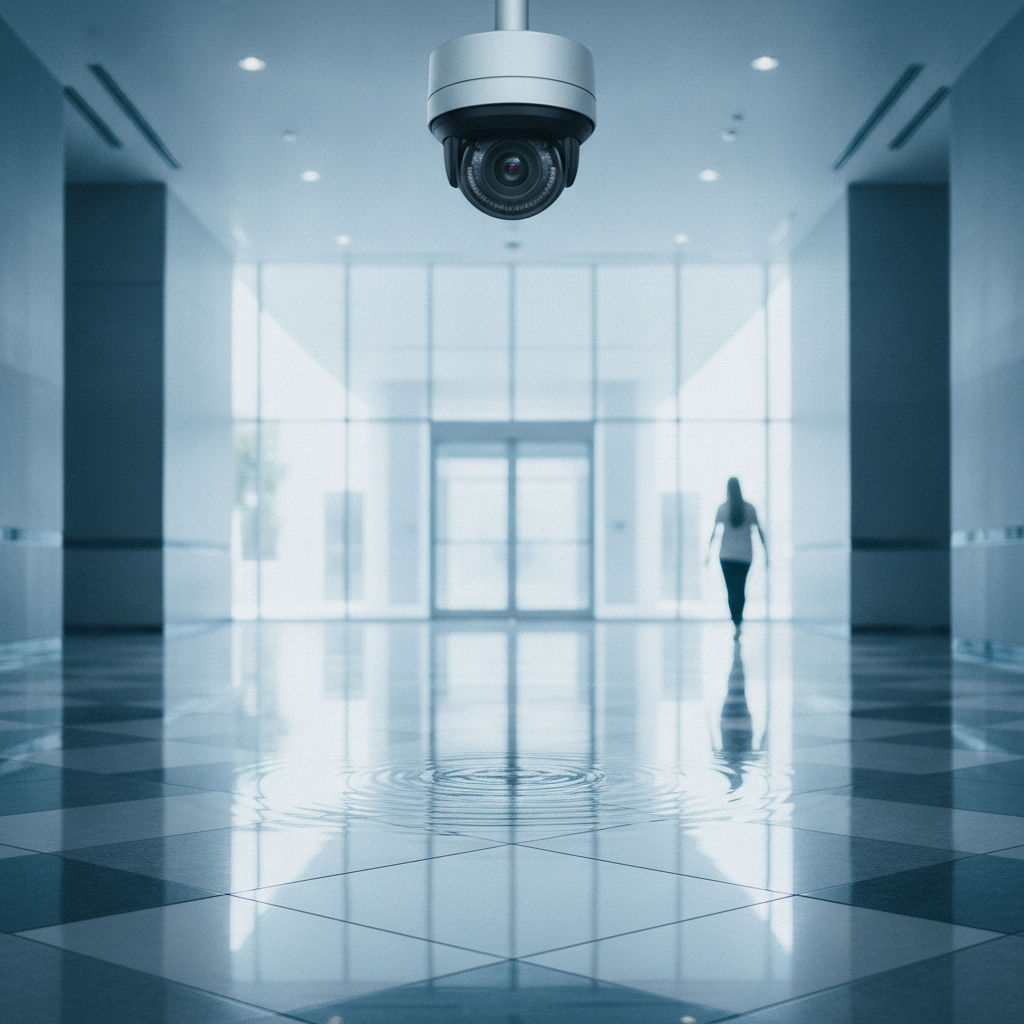
You walk into a grocery store, a hotel lobby, or a shopping plaza, and somewhere above your head a small dome camera quietly records everything. Most of us never think about it. But the moment you slip on a wet floor and hit the ground, that camera becomes one of the most important witnesses you will ever have. Surveillance footage can show exactly what the floor looked like, how long the hazard sat there, whether employees walked past it, and how you actually fell. When someone is weighing whether to hire a slip and fall lawyer Miami property owners and insurers take seriously, the existence of video is often one of the first things worth discussing.
Here is the catch: video is fragile. Many systems record over old footage within days or weeks, and a business has little incentive to hand over a clip that makes it look bad. Meanwhile, the footage that does survive can cut both ways, sometimes helping the injured person and sometimes being used to argue they were careless. Understanding how surveillance video works in an injury claim, what it can prove, and what to do before it disappears can make a real difference in how your case unfolds.
In this guide, we will walk through how video fits into a fall claim, what to look for, how to request it, and what happens when the footage is missing. Whether you run a small business trying to protect yourself or you are an injured visitor trying to understand your options, the details below will help you see why a few seconds of grainy footage can carry so much weight.
Why a Few Seconds of Footage Can Change Everything
Fall cases often come down to competing stories. The injured person says the floor was slick and unmarked. The business says the floor was clean, signs were out, and the visitor simply was not paying attention. Without anything objective, it becomes one person’s word against another’s, and insurers are skilled at exploiting that uncertainty.
Video cuts through that fog. A clear recording does not forget details, does not get nervous under questioning, and does not have a financial stake in the outcome. It can capture the spill appearing, the lack of a warning cone, a mop bucket sitting unused in the corner, or a manager glancing at the hazard and walking on. For anyone speaking with a slip and fall lawyer Miami residents can consult, footage is frequently the difference between a claim that relies on guesswork and one that rests on documented facts.
That said, video is not magic. Poor angles, low resolution, and gaps in coverage all limit what it can show. The goal is to treat footage as one strong piece of a larger evidence picture rather than the entire case.
What Surveillance Systems Typically Capture
Not every camera is created equal. Large retailers and hotels often run dozens of cameras covering aisles, entrances, parking areas, and back-of-house spaces. A small restaurant might have two or three cameras pointed at the register and the front door. Knowing what a particular system probably records helps set realistic expectations.
Common coverage areas include entrances and exits, main walkways, checkout lines, stairways, elevators, loading docks, and parking lots. Interior cameras may be fixed or may pan across a space, which sometimes creates blind spots at exactly the wrong moment. Many modern systems also record motion only, meaning they save clips when movement is detected rather than running continuously.
Resolution matters too. Some cameras produce crisp color footage, while older units give blurry black-and-white images where a clear liquid on a floor is nearly invisible. Audio is rare but possible. Timestamps are usually embedded in the footage, and those timestamps can become important when establishing how long a hazard existed before someone fell.
Footage That Shows How Long a Hazard Existed
One of the hardest parts of a fall claim is proving the property owner should have known about the danger. Video helps by showing the timeline leading up to the fall, not just the fall itself. A clip might reveal that a puddle formed ten minutes earlier, that several customers stepped around it, or that an employee passed within a few feet and did nothing.
This is where the Goss Law Firm and other injury attorneys often ask for footage from well before the incident, sometimes an hour or more. Seeing who created the hazard, who noticed it, and who ignored it can establish that the owner either knew or reasonably should have known about the problem.
Time-lapse thinking is useful here. You are not only looking for the moment of impact. You are reconstructing the story of the space: when it was last inspected, when the hazard appeared, how foot traffic interacted with it, and how long it took anyone to respond. Each of those details can support a claim that reasonable care was not exercised.
How Video Can Also Work Against You
It would be misleading to treat surveillance footage as purely good news for injured people. Insurers watch these clips with a very different goal: finding anything that suggests the person bears some of the blame. Florida applies comparative fault rules, so even partial responsibility can reduce compensation.
Footage might show someone looking at a phone while walking, wearing unsafe footwear, carrying a large load that blocked their view, or hurrying through an area with a posted warning. Even a brief glance away from the path can be framed as carelessness. Adjusters may also scrutinize how the person moved after the fall, arguing that an injury looks less serious than claimed.
This is exactly why it matters to understand what the video shows before making statements to an insurer. Casual comments like “I should have been watching where I was going” can be paired with footage to minimize a claim. Reviewing the footage with legal guidance helps you anticipate how the other side will interpret each frame and prepare accurate, grounded responses.
Acting Fast Before Footage Gets Overwritten
The single biggest threat to surveillance evidence is time. Many digital video recorders operate on a loop, automatically recording over old files once storage fills up. Depending on the system and the number of cameras, that could mean footage disappears in a few days or a few weeks. Some cloud-based systems keep clips longer, but retention settings vary widely.
If you are injured, the first priority is your health. Once you are stable, though, moving quickly on evidence is wise. Ask on the spot whether cameras cover the area and request that the footage be saved. Get the name of the manager you spoke with and note the date and time. Then follow up in writing so there is a record of your request.
For deeper reading on how cruise operators handle routine hazards and what they are expected to know, see From Wet Decks to Missing Mats: Proving a Cruise Line Knew Your Hazard Was a Routine Risk, which shows how routine-hazard thinking applies well beyond land-based businesses.
Sending a Preservation Request the Right Way
A preservation letter, sometimes called a spoliation letter, formally demands that a business keep specific evidence. It puts the property owner on notice that litigation is possible and that destroying relevant footage could carry consequences. While you can send a basic version yourself, a lawyer-drafted letter tends to be more precise and more persuasive.
A strong request identifies the date, approximate time, and exact location of the incident. It asks for footage from all cameras that might have captured the area, not just the one nearest the fall. It requests footage covering a window before and after the event, and it asks the business to suspend any automatic deletion. It should also demand preservation of related records such as incident reports, inspection logs, and employee schedules.
Send the letter by a method that creates proof of delivery, such as certified mail or email with read confirmation. Keep copies of everything. If the footage is later claimed to be lost, that paper trail becomes valuable.
What Happens When the Footage Is Missing
Sometimes the answer comes back that there is no video, the cameras were not working, or the recording was overwritten. That is frustrating, but it is not always the end of a claim. How the footage disappeared can matter a great deal.
If a business received notice of a likely claim and still allowed relevant footage to be erased, courts may treat that as spoliation. In some situations, a judge can allow a jury to infer that the missing footage would have been unfavorable to the business. That does not happen automatically, and it depends on timing, notice, and the specific facts, but it gives injured people a legitimate argument.
Even without video, other evidence can fill the gap. Photographs of the hazard, witness statements, maintenance logs, cleaning schedules, and employee testimony can all help reconstruct what happened. Missing footage may also prompt questions about the business’s overall record-keeping, which can reveal broader safety problems.
Other Evidence That Works Alongside Video
Video rarely carries a case alone. The strongest claims stack several types of proof so that each piece reinforces the others. Think of footage as the visual backbone and everything else as supporting structure.
- Photographs you took of the hazard, your shoes, and the surrounding area
- Names and contact details of anyone who saw the fall
- Incident reports completed by staff or management
- Inspection and cleaning logs showing how often the area was checked
- Medical records linking your injuries to the fall
- Records of prior complaints or similar incidents at the same spot
Medical documentation is especially important because footage shows the fall but not the damage underneath. Bringing the two together, what happened and what it caused, creates a complete narrative. This is also where Personal Injury claims in general benefit from careful organization, since every document tells part of the story.
How Strong Footage Is Evaluated at a Glance
Not all clips carry the same weight. Lawyers and adjusters look at several factors when judging how useful a recording really is. The table below summarizes the main qualities and why each one matters.
| Footage Quality | What It Shows | Why It Matters |
|---|---|---|
| Clear angle on the floor | The hazard itself and any warning signs | Confirms the danger and whether it was marked |
| Footage before the fall | How long the hazard existed | Supports notice and failure to inspect |
| Employee activity | Whether staff saw or ignored the hazard | Can show actual knowledge |
| Visible timestamp | Exact timing of events | Builds a reliable timeline |
| Aftermath footage | Cleanup, signage placed afterward | May reveal admissions through actions |
Practical Tips for Small Business Owners
If you own a business, surveillance footage protects you as much as it protects visitors. A clean recording showing that you maintained a safe space, cleaned promptly, and placed warnings can defeat an exaggerated claim. Good video habits are a form of risk management.
Start by checking how long your system retains footage and whether it covers high-traffic and high-risk areas like entrances, restrooms, and stairs. When an incident happens, export and save the relevant clips immediately instead of waiting for a request. Store copies securely and document who accessed them. Deleting or losing footage after an injury can create serious legal problems, even if the loss was unintentional.
Pair cameras with written routines: inspection checklists, cleaning schedules, and incident forms. Together, footage and paperwork demonstrate consistent care. Training staff to report hazards and respond quickly also reduces the chance that a spill becomes a lawsuit in the first place.
Reading Footage Without Fooling Yourself
When people watch a video of their own fall, emotions run high. You may notice every mistake you think you made, or you may feel certain the clip proves everything. Both reactions can mislead. Footage is flat and silent, and it compresses time in ways that distort how something felt in the moment.
Frame rate, camera height, and lens distortion can all change what appears to be happening. A wet patch might look dry from a high angle, and a slow, careful step can look hurried in choppy playback. Reviewing the footage multiple times, ideally with someone experienced in injury claims, helps separate genuine facts from impressions.
It is also worth remembering that a clip is only evidence of what the camera saw. It does not capture pain, dizziness, or the sudden loss of footing that comes with a hidden hazard. Pair what you see on screen with your own account and your medical records so the full human story stays in view.
Where Surveillance Video Fits in Your Next Steps
Surveillance video can strengthen a fall claim by showing the hazard, the timeline, and the way people around you responded. It can also complicate a case if it captures something that suggests you share the blame. Either way, knowing it exists and acting quickly to preserve it puts you in a stronger position than waiting and hoping the evidence survives.
If you were hurt, start with medical care and documentation. Photograph the scene, collect witness information, and ask in writing that footage be saved. Avoid detailed recorded statements to insurers until you understand how the video fits into your claim. A local attorney can send a formal preservation demand, request clips from multiple cameras, and evaluate how the footage supports or challenges your account.
Cases involving unusual settings, like ships, bring their own complications. If you want to see how liability can extend even further, The Medical Malpractice Twist: When Cruise Ship Doctors’ Errors Become the Line’s Negligence offers a useful look at how responsibility can multiply.
Ultimately, the best use of surveillance footage is as part of a complete, well-organized body of evidence. Move quickly, keep records, stay honest about what happened, and get qualified guidance early. A few seconds on a camera may not tell the whole story, but with the right support behind it, those seconds can help you pursue the compensation and accountability you deserve after an unexpected fall.

bicouser